



How Can 3 Saipu 10 Liters Hot Melt Glue Machine Tips Boost Your Productivity?
2026-02-28 10:33The Market Reality
The global hot melt glue machine market is evolving rapidly. Industry analysts project continued growth through 2032, driven by increasing demand from packaging, hygiene products, and automotive manufacturing . But here is the interesting part: the conversation has shifted.
According to recent market research, the discussion is no longer about "can the system dispense adhesive." It has moved to "can the system maintain repeatable performance under modern production realities" . That reality includes higher mix manufacturing, faster changeovers, and the constant pressure to reduce waste.
The portable hot-melt equipment market alone reached significant valuation in 2025 and is projected to continue expanding at a healthy CAGR through 2032 . The hot melt butyl glue machine segment, a specialized subcategory, grew from USD 103.85 million in 2025 to USD 115.86 million in 2026, with projections reaching USD 205.48 million by 2032 at a CAGR of 10.23% . These numbers reflect the increasing sophistication and adoption of hot melt technology across industries.
The Saipu Difference
At Saipu, we understand these challenges intimately. Our hot melt glue machine solutions serve industries ranging from carton box packaging to surgical gown manufacturing, from car lamp assembly to disposable hygiene products. We have seen what works and what does not.
And we have learned that the difference between average performance and exceptional output often comes down to three simple things.
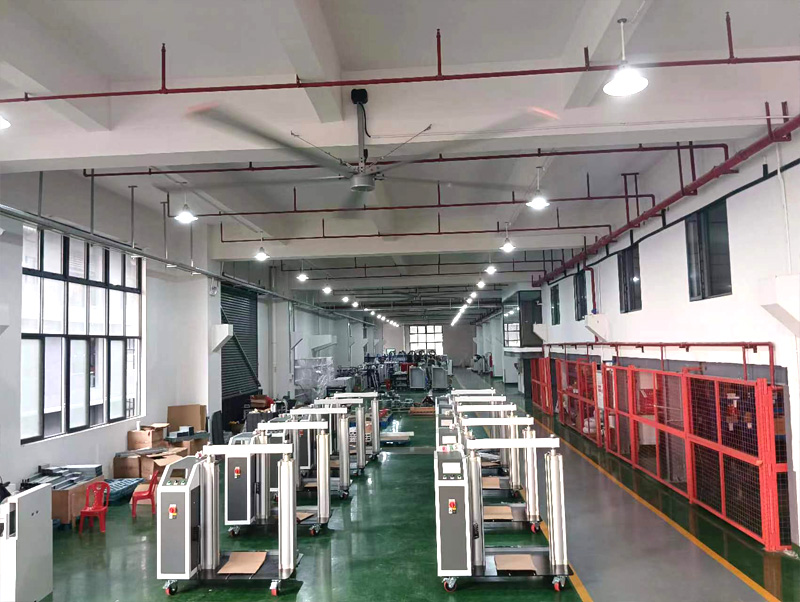
Tip #1: Master the Temperature Zone
The Problem
Here is a scenario we see all the time. An operator turns on a 10 liters hot melt glue machine, sets the temperature to what it was set to last week, and walks away. Thirty minutes later, production starts. But is the adhesive at the right temperature? Not necessarily.
Temperature inconsistencies are the silent killers of productivity in hot melt applications. Too cold, and the adhesive does not flow properly, leading to stringing, poor coverage, and weak bonds. Too hot, and you risk adhesive degradation, charring, and clogged nozzles .
The heating temperature of hot melt glue machines has problems such as large inertia, strong hysteresis, and nonlinearity, making precise control challenging . Maintaining the correct temperature in hot melt machines is absolutely critical. Overheating can cause the adhesive to degrade while underheating can lead to clogging or inconsistent flow .
The Saipu Solution
Your hot melt adhesive machine is a precision instrument, and temperature control is its most critical function. Modern systems, including those from Saipu, feature sophisticated thermal management capabilities. Advanced temperature control systems can achieve precision of ±2.5°C and reach set temperature within 3.5 minutes . But technology only works if you use it correctly.
The Step-by-Step Strategy
Step 1: Know Your Adhesive
Different adhesives have different optimal temperature ranges. Standard pressure-sensitive adhesives behave differently from reactive hot-melts or bio-based formulations . Check your adhesive manufacturer's specifications. Write them down. Post them near the machine. For most applications, temperatures typically range from 120-180°C, with special cases allowing up to 232°C .
Step 2: Zone Temperature Mapping
Your 10 liters hot melt glue machine likely has multiple temperature zones—the tank, the hose, the applicator. Each zone may require a slightly different setting to maintain optimal viscosity throughout the system. Take the time to map these zones and understand how they interact. Modern systems can provide job-specific data on energy consumption, which can be used to analyze and optimize processes .
Step 3: The Warm-Up Discipline
Rushing warm-up is a classic productivity mistake. Operators eager to start production often begin too early, before the adhesive has reached full melt consistency throughout the system. This leads to poor initial applications and wasted product.
Industry experts recommend establishing standard work for warm-up procedures . Make it part of your startup checklist. No production until all zones have stabilized at target temperature for at least 10-15 minutes. Advanced systems can be programmed for sequential heating of zones, reducing warm-up time while protecting adhesive quality .
Step 4: Monitor and Adjust
Temperature control is not a "set it and forget it" proposition. Ambient conditions change. Adhesive batches vary. Line speeds fluctuate. The best operators keep an eye on temperature readings throughout production and make small adjustments as needed.
Check the temperature settings to ensure that the applicators and hoses are maintaining the correct temperatures during operation . Ensure temperature control by checking the circuitry and calibration of heating elements and verifying they are holding the set temperature .
According to market research, "performance differentiation increasingly comes from the quality of thermal management and feedback control rather than from basic melting capability" . In other words, how well you manage temperature matters more than raw melting power.
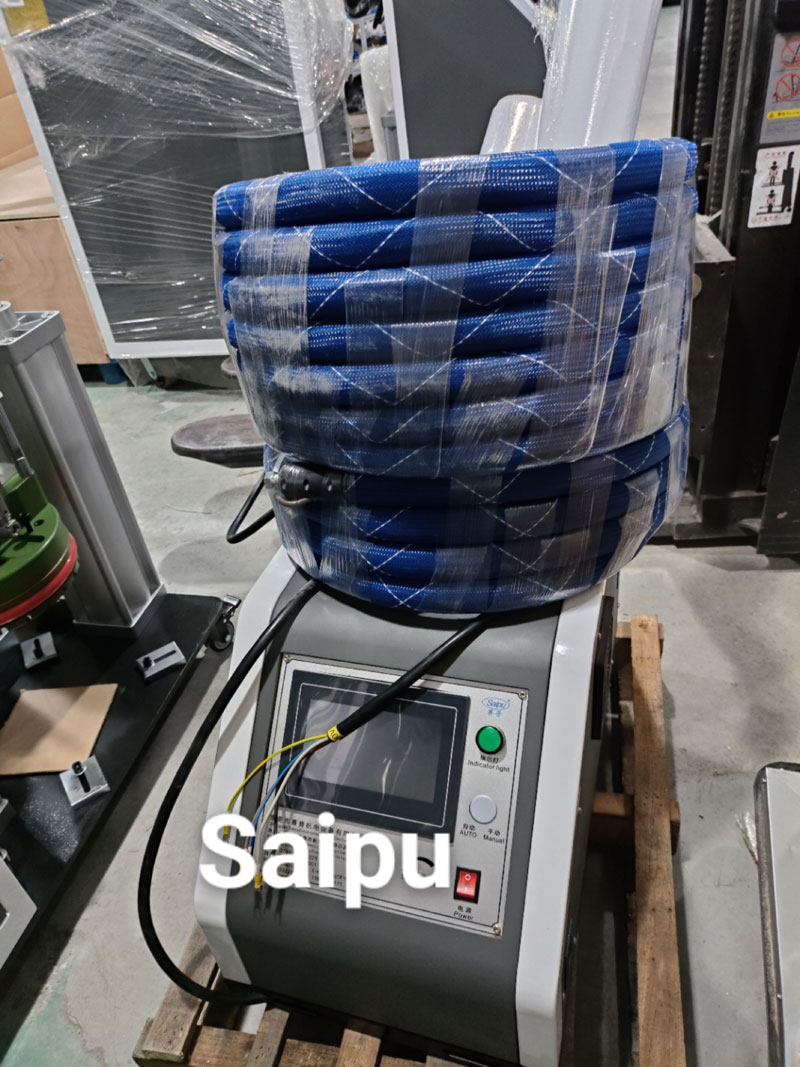
The Productivity Payoff
When you master temperature control on your hot melt glue machine, several good things happen:
Consistent adhesive viscosity means consistent application patterns
Reduced stringing and tailing means less cleanup and rework
Proper temperature prevents adhesive degradation, extending tank life
Less waste means lower adhesive costs per unit produced
One packaging manufacturer we worked with reduced adhesive waste by 18% simply by implementing disciplined temperature monitoring on their 10 liters hot melt glue machine. That is pure profit falling to the bottom line.
Tip #2: Embrace Maintenance-First Engineering
The Problem
Let us be honest. Maintenance is nobody's favorite activity. Production managers want to run machines, not maintain them. Operators want to produce units, not clean tanks. But here is the hard truth: neglecting maintenance on your hot melt adhesive machine is like ignoring the oil light in your car. It runs fine until it does not. And when it stops, it stops hard.
Implementing a preventative maintenance program for your adhesive dispensing equipment can improve your packaging lines and product quality. By ensuring that your hot melt machines and adhesive application equipment are well-maintained, you can extend equipment life, reduce costs, and minimize downtime, all while ensuring precise application .
The Saipu Solution
The industry is undergoing a significant shift toward "maintainability as a core buying criterion" . Manufacturers that once accepted periodic tuning or frequent seal replacement are now pushing for design improvements that reduce unplanned stoppages. This has accelerated adoption of modular heating zones, quicker-access filters, more durable pump assemblies, and simplified hose routing .
At Saipu, we build our hot melt glue machine equipment with this philosophy in mind. But even the most maintainable machine requires a proactive approach from its operators.
The Step-by-Step Strategy
Step 1: Daily Tank Cleaning
This is the single most important maintenance task for any 10 liters hot melt glue machine. At the end of each shift—or more frequently in high-volume applications—scrape down the tank walls to remove any charred or degraded adhesive.
Why? Because adhesive that sits too long at the tank walls, exposed to air and continuous heat, will degrade. That degraded material can break loose, travel through the system, and clog nozzles or contaminate applications. The adhesive that has not been preheated should not be directly added to the glue tank, as it can cause uneven temperature and incomplete melting .
Step 2: Weekly Deep Cleaning
Industry guidelines recommend weekly cleaning of the machine and adhesive tank to prevent adhesive buildup and contamination. This means:
Draining any residual adhesive
Wiping down all accessible surfaces
Checking filters and cleaning or replacing as needed
Inspecting hoses for wear or damage
The glue tank and glue box should be regularly cleaned to ensure cleanliness and prevent impurities from settling .
Step 3: Monthly and Quarterly Inspections
Different components require different inspection frequencies. For hot melt glue machine equipment, establish a schedule:
Monthly checks :
Check output manifold filters, replace if necessary
Inspect under the base for pump seal leaks
Check all hose fittings for tightness
Quarterly checks :
Check all fastener tightness
Check main melt tank filters, clean or replace as needed
Inspect nozzles for tightness and wear, clean or replace as needed
Step 4: Use Quality Adhesive
Using poor-quality adhesive can lead to clogs, residue buildup, and increased wear on your hot melt system. Premium adhesives tailored for each application method help maintain optimal performance and protect your equipment .
Step 5: Install Filtration Systems
To extend the life of both your adhesive dispensing equipment and the adhesives themselves, install a filtration system to remove contaminants from the adhesive . Two-stage filtration equipment reduces nozzle blockage .
Step 6: Keep the Lid Closed
While it may be less convenient when you want to add more hot melt, make sure you keep the lid on your tank closed. Leaving the lid open can allow foreign debris to get in the system. These particles can cause multiple problems not just with the tank, but also with hoses, glue guns, and nozzles .
Step 7: Have Spare Parts on Hand
While having spare parts readily available won't extend your hot melt tank life, it will help decrease downtime waiting for the right part to come in. Spare hot melt nozzles, modules, hoses, and air filters can all be helpful to have around to keep your business running . Spare parts for pumps, heaters, and control modules represent a disproportionately high risk because downtime costs can exceed the premium paid for expedited replacement .
The Productivity Payoff
Companies that treat maintenance as a strategic priority see dramatic results:
Unplanned downtime can be reduced by 50% or more
Parts last longer because problems are caught early
Application quality remains consistent
Safety incidents decrease
According to market research, "maintenance-friendly design is no longer a convenience; it is a throughput safeguard" . When your 10 liters hot melt glue machine is clean and well-maintained, it simply runs better, longer, and more reliably.
A hygiene products manufacturer we know reduced their maintenance-related downtime by 65% after implementing a disciplined cleaning and inspection schedule across their fleet of hot melt glue machine equipment. That translated to over 200 hours of additional production time annually.
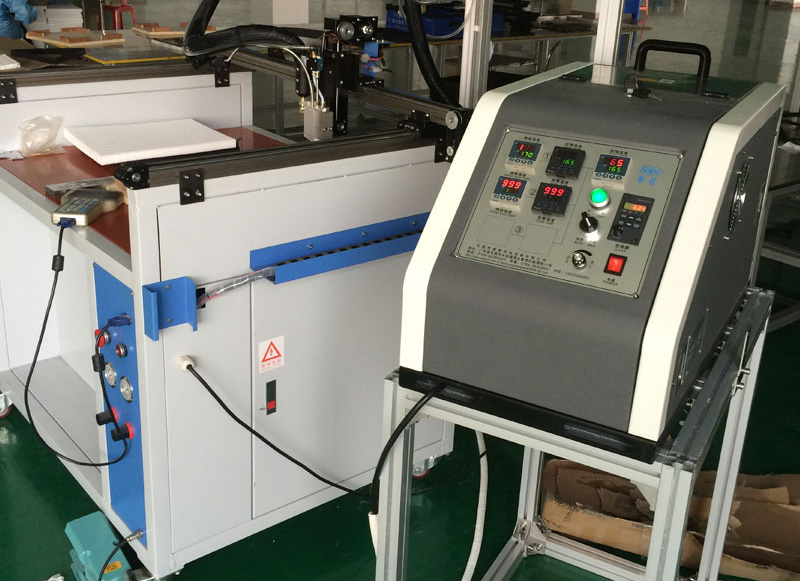
Tip #3: Optimize Your Application Parameters
The Problem
Here is something that might surprise you. Two manufacturers can have identical hot melt adhesive machine equipment, running the same adhesive on similar substrates, yet achieve completely different results. Why? Application parameters.
The way adhesive is applied—the pattern, the pressure, the speed, the distance—has an enormous impact on bond quality, adhesive consumption, and production efficiency.
The Saipu Solution
Modern hot melt glue machine systems offer an incredible range of adjustability. But too often, operators stick with whatever settings were programmed when the machine was installed, never exploring whether those settings remain optimal.
The Step-by-Step Strategy
Step 1: Match Pattern to Application
Different applications require different adhesive patterns. A carton seal might need a continuous bead. A hygiene product might require spiral spray. An automotive component might need precise dots.
Your 10 liters hot melt glue machine likely offers multiple application modes. Are you using the right one for your specific product? Take time to understand what each pattern does and when it is most appropriate. The application method can be spiral spray, dot spray, or other patterns depending on your needs .
Step 2: Pressure Optimization
Adhesive pressure directly affects how much material is applied and how it spreads upon contact. Too little pressure, and you get insufficient coverage. Too much pressure, and you waste adhesive and risk squeeze-out.
The sweet spot varies by application, but there is a reliable way to find it. Start with manufacturer recommendations, then run tests while gradually adjusting pressure up and down. Measure bond strength and adhesive consumption at each setting. The optimal point is where you get maximum bond strength with minimum adhesive use.
Step 3: Nozzle Selection and Maintenance
Nozzles are not one-size-fits-all. Different orifice sizes and configurations produce different spray patterns and bead widths. Using the wrong nozzle for your application wastes adhesive and compromises quality.
Keep a selection of nozzles on hand for different jobs. And keep them clean. A partially clogged nozzle throws off the entire application pattern, leading to rejects and rework. Blocked nozzles or inconsistent flow can result in uneven adhesive application, potentially affecting the final product quality .
Step 4: Speed Matching
Your production line speed and your hot melt adhesive machine output need to be synchronized. If the line runs faster than the machine can apply adhesive, you get gaps and weak bonds. If the machine applies faster than the line moves, you get adhesive buildup and waste.
Modern systems can integrate with line speed sensors to automatically adjust output . If your equipment has this capability, use it. If not, be prepared to manually adjust settings when line speeds change.
Step 5: Understand Adhesive Timing
Different adhesives have different open times, curing times, and cooling times . You must complete the entire bonding process within the open time of the hot melt adhesive. Temperature variations can also affect these timing parameters, so adjustments may be needed seasonally.
Step 6: Document Job Settings
Here is a practice that separates the pros from the amateurs: document your application parameters for each job. Record temperature settings, pressure, nozzle type, application pattern, and line speed. When the same job runs again, you can pull up the settings and be confident of consistent results.
Some advanced systems can "provide job-specific data on adhesive and energy consumption, which can be used to analyze and optimize processes" . They can also "store and manage job settings for rapid job changeovers" .
The Productivity Payoff
When application parameters are optimized:
Adhesive consumption drops—sometimes dramatically
Bond quality improves and becomes more consistent
Rework and rejects decrease
Changeover times shrink because settings are documented
A furniture manufacturer we work with reduced adhesive consumption by 22% on their 10 liters hot melt glue machine simply by optimizing pressure settings and nozzle selection. At their production volume, that represented over $15,000 in annual savings.
Industry Data: The Case for Optimization
Global Market Overview
Understanding the market context helps justify investment in better practices and equipment. The global hot melt glue machine market is substantial, with the portable segment alone representing significant value .
Application Distribution
Knowing where hot melt glue machine equipment is used helps contextualize its importance:
| Application Sector | Market Share Significance | Key Requirements |
|---|---|---|
| Packaging | Largest segment | High speed, reliability, quick changeovers |
| Hygiene Products | Major segment | Precision, consistency, contamination control |
| Wood and Furniture | Significant segment | Coverage, penetration, heat resistance |
| Automotive | Growing segment | Structural bonds, temperature tolerance |
| Textiles | Niche but growing | Flexibility, wash resistance |
The packaging sector represents the most significant application, driven by relentless demand from e-commerce, logistics, and consumer goods requiring fast, reliable sealing solutions . The inherent advantages of hot-melt adhesives—rapid setting times and strong bond strength on various substrates—make hot melt adhesive machine equipment indispensable in packaging lines .
Technology Trends Shaping the Market
Several technology trends are influencing how 10 liters hot melt glue machine equipment is designed and used:
Smart Controls: Controls architecture is moving toward more integrated, sensor-rich platforms that can monitor temperature zones, pressure behavior, and motor load to keep dispensing stable during real-world variation . Advanced systems can provide real-time monitoring and data analytics, offering predictive maintenance alerts and optimizing adhesive usage .
Energy Efficiency: Modern systems are expected to reach operating temperature faster, hold tighter thermal bands, and reduce heat loss without sacrificing performance . Some advanced melters achieve significant energy savings through "melt-on-demand" technology that only melts the adhesive needed for application .
Sustainability Focus: There is growing emphasis on bio-based and sustainable adhesive formulations . Equipment manufacturers are developing systems compatible with these newer materials, which often have different viscosity and curing profiles. Hot-melt adhesives are inherently more eco-friendly than solvent-based alternatives, and this advantage is being amplified .
Maintainability Engineering: As noted earlier, maintenance-friendly design has become a throughput safeguard, with modular heating zones, quicker-access filters, and more durable pump assemblies .
Technical Specifications: What to Look For
When evaluating a 10 liters hot melt glue machine, understanding specifications helps you match equipment to application.
Key Parameters for 10 Liters Hot Melt Glue Machine
| Specification | Typical Range | Why It Matters |
|---|---|---|
| Tank Capacity | 10 Liters | Determines runtime between refills |
| Melt Rate | 10-15 kg/hour | Affects maximum line speed |
| Temperature Range | 40-232°C | Determines adhesive compatibility |
| Hose Connections | 1-4 | Number of application points possible |
| Power Consumption | Variable by model | Operating cost impact |
| Pump Type | Piston or Gear | Affects pressure consistency |
| Temperature Stability | ±2°C or better | Critical for consistent application |
| Viscosity Range | 500-50,000 cps | Determines compatible adhesives |
Safety Considerations
Operating any hot melt adhesive machine requires attention to safety:
Personal Protective Equipment: Operators should wear appropriate PPE such as gloves to prevent contact with hot adhesive
Emergency Stop: The machine should have an emergency stop button readily accessible
Burn Prevention: The top of the tank typically remains at lower temperature (often solid) reducing burn risk
Proper Training: Operators should receive thorough training on operation and safety procedures
Electrical Safety: Ensure proper grounding and secure electrical connections
Fire Safety: Store adhesives away from heat sources and open flames
Real Results from Real Users
The Packaging Company Transformation
A mid-sized packaging company in Guangdong was struggling with inconsistent carton sealing. Their existing 10 liters hot melt glue machine required frequent adjustments, produced stringing that required cleanup, and seemed to consume more adhesive than it should.
After switching to Saipu equipment and implementing the three tips outlined above—temperature discipline, maintenance scheduling, and parameter optimization—they achieved:
15% reduction in adhesive consumption
30% decrease in cleanup time between shifts
22% increase in effective production uptime
Consistent seal quality that reduced customer complaints
The production manager told us: "I never realized how much our old habits were costing us. The Saipu machine is great, but honestly, the biggest changes came from how we use it. These tips transformed our operation."
The Furniture Manufacturer's Story
A furniture manufacturer producing laminated panels was experiencing inconsistent bond strength on certain products. The issue seemed to come and go randomly, making quality control a nightmare.
Working with Saipu technical experts, they discovered that temperature fluctuations in their hot melt adhesive machine were the culprit. The solution involved:
Implementing proper warm-up procedures
Monitoring tank temperature more closely
Adjusting application parameters for different panel thicknesses
The result? Consistent bond quality across all products and a 40% reduction in rework.
The Hygiene Products Manufacturer
A diaper manufacturer was experiencing frequent nozzle clogs that stopped production lines 2-3 times per shift. Each stoppage cost 15-20 minutes of production time.
After implementing a rigorous maintenance schedule based on Saipu's recommendations—including daily tank cleaning, weekly filter changes, and monthly nozzle inspections—clog frequency dropped by 80%. Annual savings exceeded $50,000 in recovered production time.
Frequently Asked Questions
Q: How often should I clean my 10 liters hot melt glue machine?
A: For optimal performance, perform basic tank cleaning daily. A more thorough cleaning, including checking filters and inspecting components, should happen weekly . High-volume production may require more frequent attention. The glue tank should be regularly cleaned to prevent impurities from settling .
Q: What is the typical lifespan of a hot melt glue machine?
A: With proper maintenance and care, a quality hot melt glue machine from Saipu can provide 8-12 years of reliable service. Key factors affecting lifespan include operating hours, adhesive types used, and maintenance discipline. Implementing preventative maintenance is one of the best ways to increase equipment life .
Q: What causes nozzle clogging in hot melt glue machines?
A: Nozzle clogs typically result from degraded adhesive (often from overheating), contamination (dirt or debris in the system), or improper shutdown procedures that leave adhesive to cool in the nozzle . Using two-stage filtration equipment can reduce nozzle blockage . Regular cleaning and proper temperature management prevent most clogs.
Q: How do I know if my temperature settings are correct?
A: Start with your adhesive manufacturer's recommendations. Then observe application results—properly applied adhesive should flow smoothly, wet out the substrate appropriately, and set within the expected time frame. If you see stringing, smoking, or poor adhesion, temperature adjustments may be needed. Advanced temperature control systems can maintain precision of ±2.5°C .
Q: Can I use different types of adhesive in the same machine?
A: Yes, but proper cleaning between adhesive changes is essential. Different adhesives have different temperature requirements and chemical compositions. Residual adhesive can contaminate the new material, affecting performance. Flushing out your system is recommended every time you switch adhesives .
Q: Is it worth upgrading from an older machine to a newer model?
A: That depends on your specific situation. Newer 10 liters hot melt glue machine models offer improved temperature control, energy efficiency, and often easier maintenance . If your current machine requires frequent repairs, produces inconsistent results, or lacks modern controls, upgrading could deliver rapid payback through reduced waste and higher productivity.
Q: What spare parts should I keep in inventory?
A: Critical spares typically include nozzles (various sizes), seals, filters, and heating elements. For hot melt glue machine equipment, downtime costs often exceed the premium paid for expedited replacement parts . Having spare hot melt nozzles, modules, hoses, and air filters can all be helpful to keep your business running .
Q: How do I reduce adhesive charring in my tank?
A: Charring is typically caused by running at excessive temperatures or leaving adhesive idle for extended periods . Solutions include: using the recommended temperature, minimizing idle time, and implementing "melt-on-demand" technology that only melts adhesive as needed . Keep the lid closed to prevent contamination .
Q: What is melt-on-demand technology and why does it matter?
A: Melt-on-demand technology only melts the adhesive required for application, rather than maintaining a full tank of molten adhesive . Benefits include: faster warm-up, reduced adhesive degradation and charring, lower energy consumption, and extended adhesive life. Saipu incorporates advanced thermal management principles in our equipment design.
Q: Can Saipu help with custom applications?
A: Absolutely. Saipu specializes in providing different hot melt glue machine spraying and coating solutions for various industries. Our technical team can work with you to develop equipment configurations that match your specific production requirements across packaging, automotive, hygiene, furniture, and other sectors.
The Future of Hot Melt Adhesive Application
Industry 4.0 Integration
The future of hot melt glue machine technology lies in connectivity and intelligence. Modern systems increasingly incorporate IoT connectivity for real-time monitoring of parameters like temperature, adhesive levels, and application patterns . This allows for predictive maintenance, minimizing downtime, and ensuring optimal performance .
Imagine your 10 liters hot melt glue machine alerting you before a failure occurs, or automatically adjusting settings based on the job being run. This is not science fiction—it is happening now in advanced manufacturing facilities.
Sustainability Drivers
Environmental considerations are reshaping the industry. There is growing regulatory pressure and end-user preference for adhesives with low or zero VOC emissions . Hot-melt adhesives are inherently more eco-friendly than solvent-based alternatives, and this advantage is being amplified.
Equipment manufacturers are responding by developing systems compatible with bio-based and recyclable adhesive formulations, and by designing equipment with improved energy efficiency .
The Human Element
Despite all the technological advancement, the human element remains crucial. The three tips we have discussed—temperature mastery, maintenance discipline, and parameter optimization—all depend on skilled, attentive operators.
Operators should be trained on the correct use and care of adhesive equipment, ensuring safe handling and reducing the risk of equipment misuse . This extends the life of your dispensing equipment and ensures precise adhesive application.
The companies that thrive will be those that invest in their people, providing training and creating cultures where continuous improvement is valued.
Conclusion: Your Productivity Transformation Starts Now
We have covered a lot of ground in this article. Let us recap the three simple but powerful tips that can boost your hot melt glue machine productivity:
Tip #1: Master the Temperature Zone
Understand your adhesive requirements, map your temperature zones, implement warm-up discipline, and monitor continuously. Proper thermal management is the foundation of consistent application. Modern systems with advanced temperature control can achieve precision of ±2.5°C .
Tip #2: Embrace Maintenance-First Engineering
Clean daily, deep clean weekly, inspect monthly and quarterly, use quality adhesives, and document everything. Maintenance is not a cost—it is an investment in reliability. Regular preventative maintenance extends equipment life, reduces costs, and minimizes downtime .
Tip #3: Optimize Your Application Parameters
Match patterns to applications, optimize pressure, select appropriate nozzles, synchronize with line speed, and document job settings. The right settings save adhesive and improve quality. Blocked nozzles or inconsistent flow can result in uneven application, so regular monitoring is essential .
The Saipu Advantage
These tips will work with any quality hot melt glue machine. But they work best when paired with equipment designed for performance, reliability, and ease of use. That is where Saipu comes in.
Since our founding, we have been helping manufacturers across the globe achieve more with their adhesive applications. Our 10 liters hot melt glue machine equipment combines robust construction with precise controls, giving you the foundation you need for production excellence. Our technical team brings decades of experience to every customer interaction, ensuring you get not just equipment, but solutions.
We serve industries including:
Packaging: Carton box packaging, moon cake boxes, tea leaf boxes, cigarette cases, beverage packaging
Coating: Acrylic foam tape, surgical gowns, masks, mailing bags, hand bags
Electronics: Wires and cables
Automotive: Sealing materials, car lamp manufacturing, windshield assembly
Furniture: Furniture gluing and laminating
Hygiene Products: Diapers, sanitary napkins, and other disposables
And more: Air filter, shoe-making, garment, and book binding industries
Your Next Steps
The question is not whether these tips can help you. They can. The question is when you will start implementing them.
Option A: Keep doing what you have always done. Accept the waste, the downtime, the inconsistency as "normal."
Option B: Take action. Implement these three tips. Watch your productivity climb and your costs drop.
If you are ready for Option B, we are here to help.
Download our comprehensive guide to hot melt adhesive application optimization. It is packed with additional tips, troubleshooting guides, and technical specifications for our full line of hot melt adhesive machine equipment.
Request a consultation with our technical team. We will visit your facility (in person or virtually), observe your current operations, and provide customized recommendations for improvement.
Visit our factory in Dongguan and see firsthand how Saipu hot melt glue machine equipment is built. Meet our team. Discuss your challenges. Leave with solutions.
The global market for hot melt adhesive applications is growing more sophisticated every day . The companies that thrive will be those that embrace better practices and better equipment.
Make sure your company is one of them.