


In today’s manufacturing environment, versatility is no longer a bonus—it is a requirement. Production managers want equipment that adapts quickly, maintains stable output, and performs across industries without excessive configuration changes. While most factories associate a hot melt glue machine primarily with carton sealing or packaging lines, the reality is far broader.
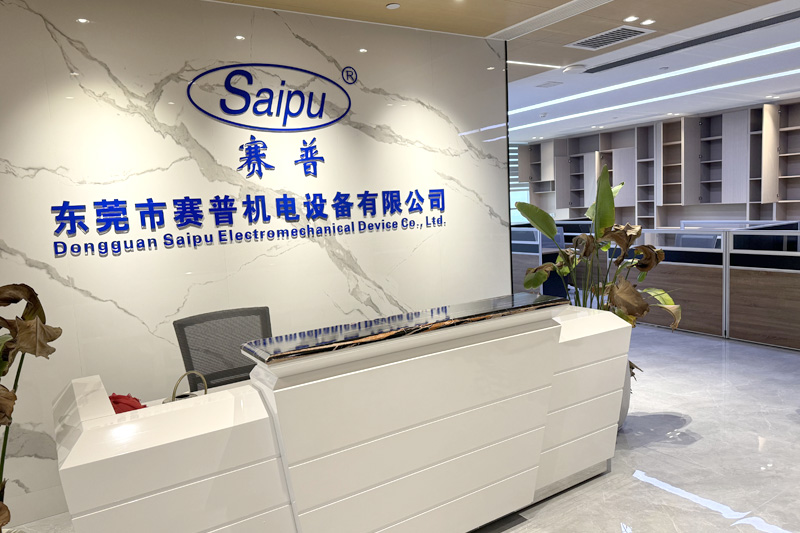
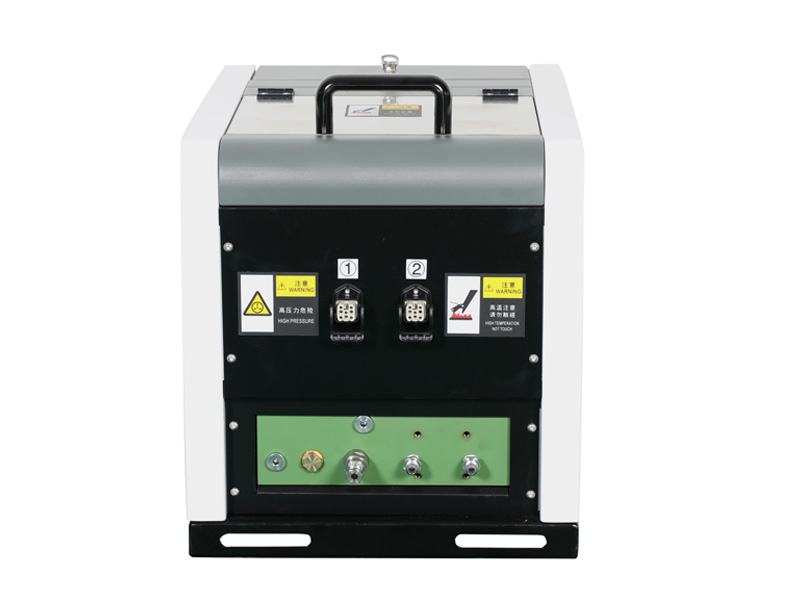
Dongguan Saipu Electromechanical Device Co., Ltd., a professional manufacturer specializing in R&D, production, sales, and after-service of hot melt spraying equipment, has seen firsthand how its 10 liters hot melt glue machine is being applied in unexpected yet highly effective ways. Beyond traditional packaging, this compact but powerful hot melt adhesive machine is solving bonding challenges across automotive, hygiene, electronics, filtration, and even garment production sectors.
This article explores five surprising and highly practical applications for the Saipu 10 liters hot melt glue machine, supported by industry performance parameters and operational insights.
Why the 10 Liters Platform Is Gaining Attention
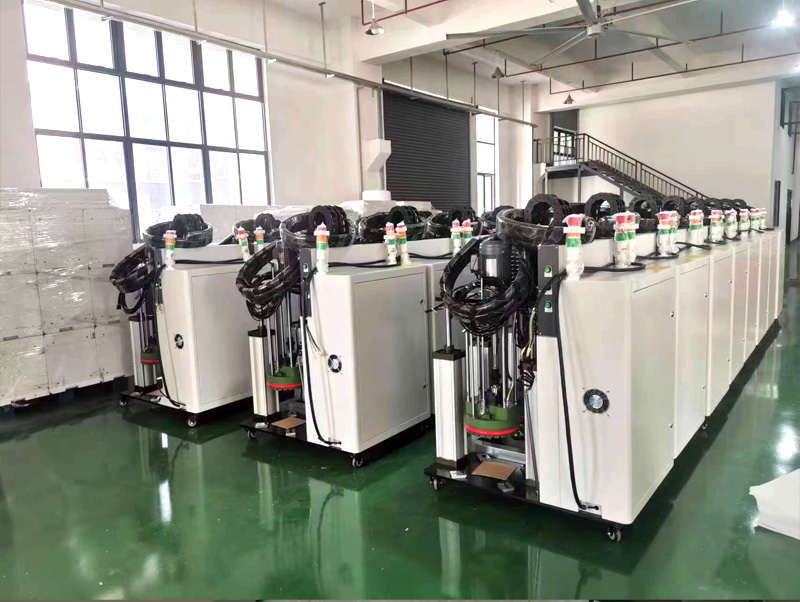
Before examining the five applications, it’s important to understand why the 10 liters hot melt glue machine stands out.
Compared to oversized industrial tanks, this configuration offers:
Fast melting response
Stable temperature control
Compact footprint
Lower energy consumption
Easy maintenance access
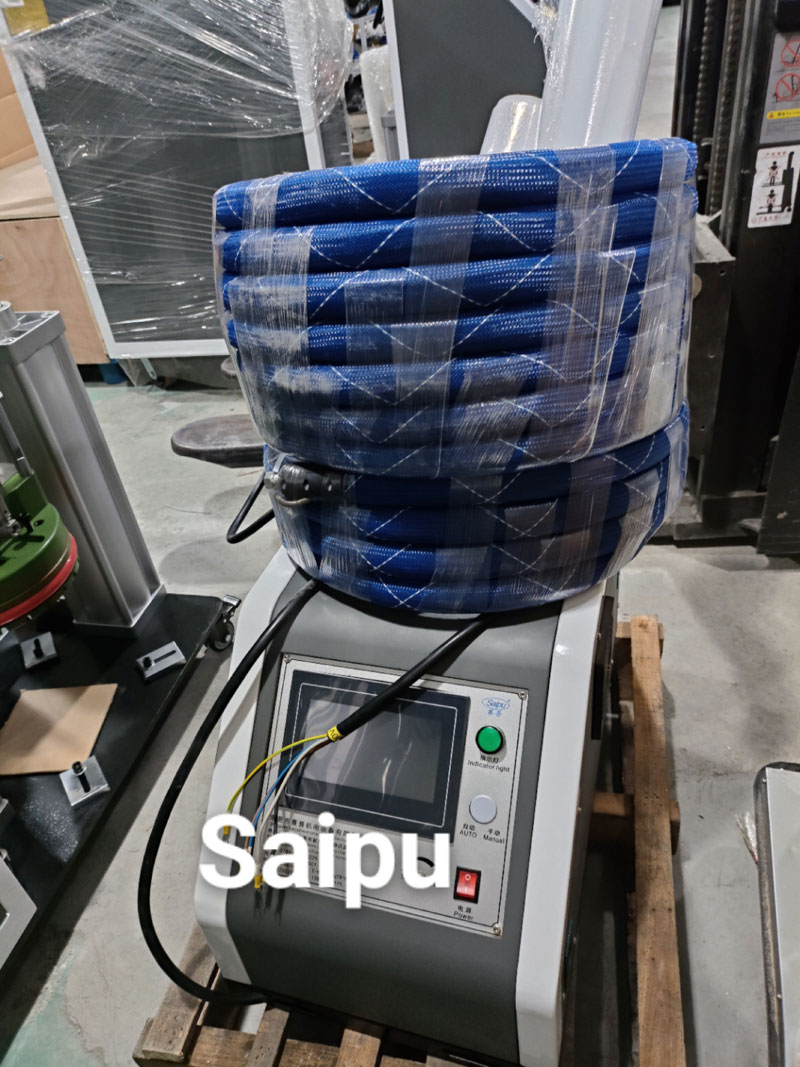
For mid-scale and high-mix production environments, the hot melt glue machine becomes a flexible adhesive hub rather than a single-purpose device. When integrated into automated lines, the hot melt adhesive machine provides consistent glue output with minimal pulsation, ensuring product uniformity.
Now let’s explore the five surprising uses.
1. High-Speed Hygiene Product Bonding
Beyond Basic Diaper Assembly
Most people know hygiene products like diapers and sanitary napkins require adhesive bonding. What surprises many manufacturers is how critical glue precision is at high speed.
In hygiene production lines operating at 300–600 pieces per minute, adhesive spiral coating must be uniform. Even slight inconsistencies lead to bonding failure or material waste.
The 10 liters hot melt glue machine performs exceptionally well here due to its:
Rapid temperature stabilization
Continuous pump precision
Anti-carbonization design
A modern hot melt glue machine maintains adhesive viscosity within tight tolerances, ensuring consistent fiber bonding in absorbent layers. As a result, hygiene manufacturers report measurable reductions in adhesive waste.
The compact design of the hot melt adhesive machine also allows it to be installed closer to the application point, reducing hose heat loss.
2. Automotive Lamp and Windshield Sealing
Precision Where It Matters Most
Automotive production demands strict sealing standards. Headlamp assembly and windshield bonding require consistent bead formation to prevent water ingress and structural weakness.
Surprisingly, the 10 liters hot melt glue machine is increasingly used for:
Car lamp sealing
Interior trim bonding
Cable harness fixing
Windshield auxiliary bonding
Unlike bulk systems, this hot melt glue machine allows precise glue flow adjustments, which are critical for automotive sealing paths.
The stability of the hot melt adhesive machine ensures bead uniformity even under variable production rhythms. Because the 10 liters hot melt glue machine offers efficient heating and quick recovery, it supports stop-start automotive lines without overheating adhesive material.
3. Air Filter Frame Assembly
The Hidden Performance Factor
Air filter manufacturing—both automotive and industrial—requires strong adhesive bonding between filter media and frame structures.
Here’s where the hot melt glue machine delivers unexpected advantages:
Consistent adhesive penetration
Controlled bead thickness
Improved sealing performance
Filter assembly often involves porous materials. The hot melt adhesive machine must deliver glue that penetrates sufficiently without oversaturation.
The 10 liters hot melt glue machine allows operators to fine-tune temperature and flow rate for optimized viscosity, improving bond strength while minimizing material waste.
Manufacturers report increased airtightness performance after upgrading their hot melt glue machine systems.
4. Book Binding and Spine Reinforcement
Traditional Industry, Modern Equipment
Book binding may appear conventional, but production speed in modern print facilities is anything but slow. Spine gluing requires even application across thousands of units per hour.
The 10 liters hot melt glue machine provides:
Uniform glue film thickness
Fast recovery during high-speed cycles
Stable adhesive penetration into paper fibers
Compared to older systems, a well-calibrated hot melt adhesive machine reduces stringing and uneven glue layers.
Book manufacturers using a compact hot melt glue machine have observed improved binding durability and cleaner production environments.
5. Garment and Nonwoven Lamination
Lightweight Materials, High Demands
In garment production and nonwoven industries (such as surgical gowns and masks), adhesive bonding replaces stitching in many applications.
Here, the hot melt glue machine must operate with:
Controlled low-viscosity adhesive
Precise spray patterns
Stable thermal management
The 10 liters hot melt glue machine excels in short production runs and product switching scenarios. Its responsive heating system reduces waiting time between material changes.
A reliable hot melt adhesive machine prevents fabric scorching and adhesive bleed-through, ensuring aesthetic and structural integrity.
Industry Performance Comparison Table
Below is a parameter overview showing how the 10 liters platform performs across sectors:
| Industry | Typical Line Speed | Glue Accuracy Requirement | Energy Efficiency | Reported Efficiency Improvement | Recommended System |
|---|---|---|---|---|---|
| Hygiene | 300–600 pcs/min | ±5% flow deviation | High | 20% waste reduction | 10 liters hot melt glue machine |
| Automotive | Variable | Continuous bead control | Medium-High | 18% defect reduction | hot melt adhesive machine |
| Air Filter | Medium | Deep material penetration | High | 15% sealing improvement | hot melt glue machine |
| Book Binding | 2000–5000 books/hr | Even film thickness | High | 17% durability gain | 10 liters hot melt glue machine |
| Garment | Flexible batch | Low-temp precision | High | 12% productivity boost | hot melt adhesive machine |
These results demonstrate that a properly selected hot melt glue machine directly impacts product quality and operational stability.
Technical Advantages Behind These Surprising Uses
1. Temperature Stability
Consistent heat control prevents carbonization and adhesive degradation. The hot melt adhesive machine integrates multi-zone temperature monitoring for stable melting.
2. Precision Pump Design
A stable gear pump in the hot melt glue machine ensures uniform pressure, reducing pulsation and inconsistent glue output.
3. Energy Optimization
The 10 liters hot melt glue machine consumes less power than oversized tanks while maintaining adequate melting capacity.
4. Compact Installation
Space constraints in automotive and hygiene factories make compact systems preferable. A modern hot melt glue machine fits seamlessly into tight production layouts.
FAQ Section
Q1: Why choose a 10 liters hot melt glue machine instead of a larger tank?
The 10 liters hot melt glue machine provides sufficient melting capacity for most mid-to-high-speed applications while offering faster heating and lower energy consumption.
Q2: Is the hot melt glue machine suitable for multi-industry use?
Yes. With adjustable parameters and modular spray heads, the hot melt adhesive machine adapts to packaging, automotive, hygiene, filtration, garment, and binding industries.
Q3: Does smaller capacity affect performance?
Not necessarily. A well-designed hot melt glue machine maintains stable flow and pressure regardless of tank size, provided it matches production demand.
Q4: How does the hot melt adhesive machine reduce production waste?
By maintaining consistent temperature and precise flow control, the system minimizes over-application and bonding failures.
Q5: Is maintenance complicated?
The compact structure of the 10 liters hot melt glue machine allows easier cleaning and faster service access, reducing downtime.
Looking Ahead: Expanding Possibilities
Manufacturers often underestimate the adaptability of adhesive systems. The Saipu hot melt glue machine platform demonstrates that compact equipment can serve high-demand industrial applications with surprising flexibility.
As industries move toward automation, efficiency, and sustainable production, investing in a reliable hot melt adhesive machine is not simply an upgrade—it is a strategic decision.
Conclusion
From hygiene production lines and automotive sealing to air filter assembly, book binding, and garment lamination, the applications of the 10 liters hot melt glue machine go far beyond conventional packaging.
Its compact size, rapid heating, stable flow control, and multi-industry adaptability make it an essential tool for manufacturers seeking both efficiency and precision. Whether upgrading an aging hot melt glue machine or integrating a new hot melt adhesive machine into an automated production line, the right equipment transforms adhesive application from a bottleneck into a productivity driver.
For companies aiming to improve bonding accuracy, reduce waste, and increase operational stability, now is the time to explore how a Saipu 10 liters hot melt glue machine can redefine production performance.