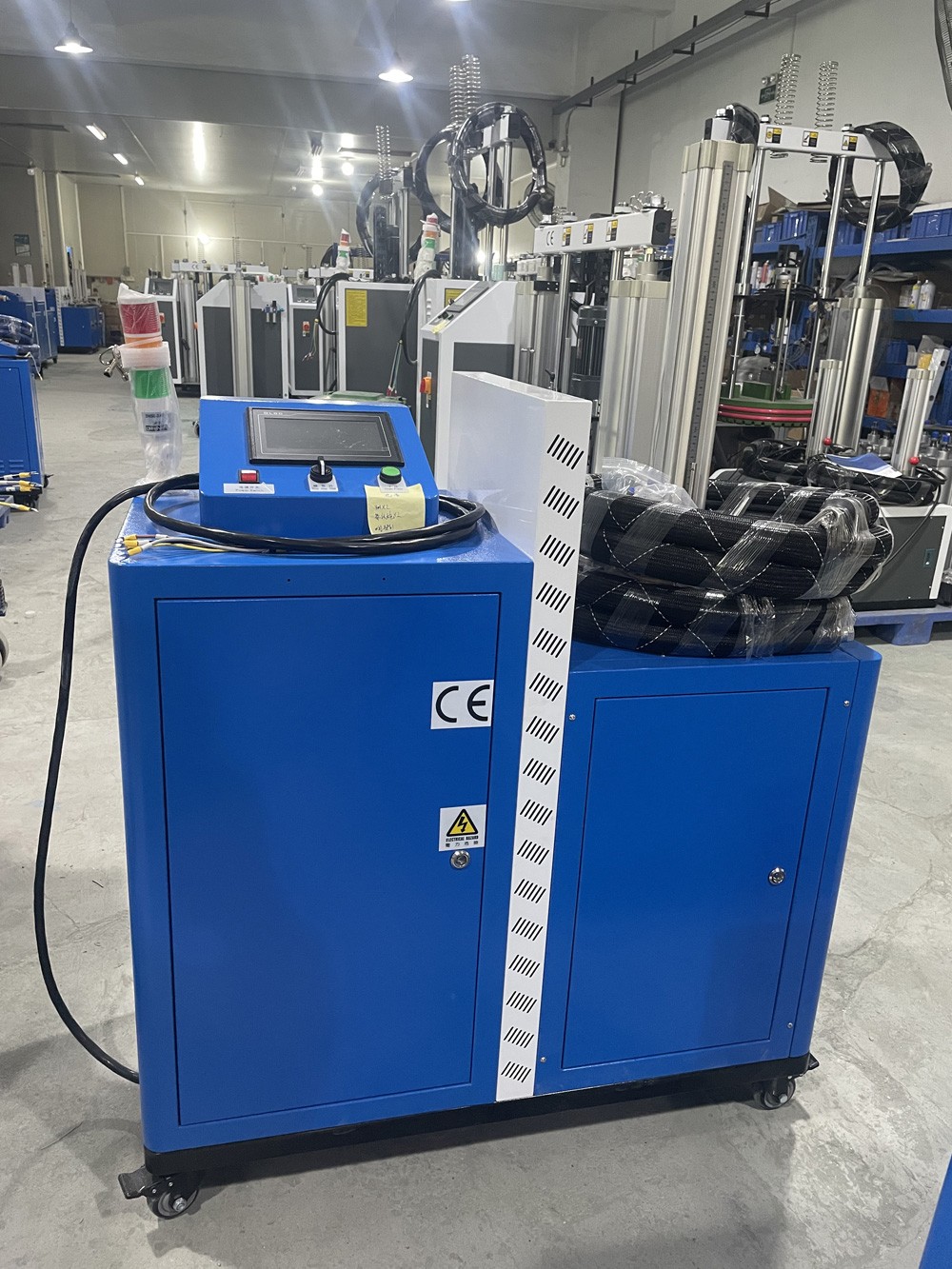
In today’s fast-paced manufacturing landscape, efficiency is no longer just an advantage—it is a requirement. From packaging lines running at high speed to precision assembly in electronics and automotive production, every second and every gram of material matters. Behind many of these optimized processes lies a technology that often goes unnoticed but plays a critical role: the Hot melt glue machine.
As industries push toward automation, consistency, and cost control, the demand for advanced glue spraying equipment continues to grow. A modern hot melt adhesive machine is not just a tool for bonding—it is a core component that directly impacts productivity, product quality, and operational efficiency.
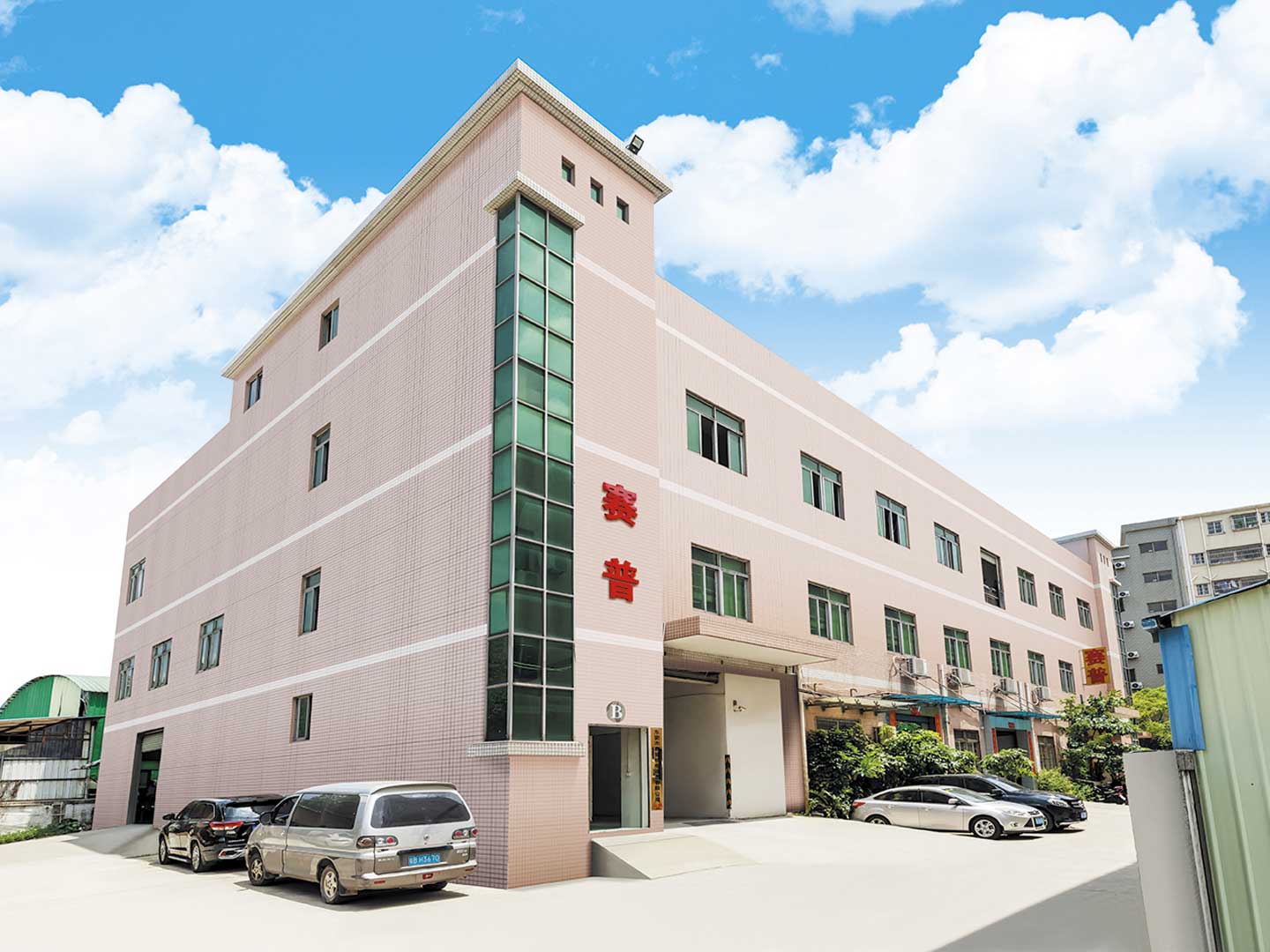
As a professional glue machines factory, Saipu Electromechanical understands how the right adhesive system can transform an entire production line.
The Role of Hot Melt Technology in Modern Manufacturing
From Manual Bonding to Automated Precision
Traditional adhesive methods often rely on manual application or slow-curing glues, which create bottlenecks in production. In contrast, a Hot melt glue machine melts solid adhesive and applies it precisely at controlled temperatures, allowing for instant bonding.
This shift enables:
Continuous production without waiting for drying
Consistent adhesive application
Reduced dependency on manual labor
Modern glue spraying equipment integrates seamlessly with automated systems, supporting high-speed, high-volume manufacturing environments.
Instant Bonding, Immediate Results
One of the defining advantages of a hot melt adhesive machine is its ability to deliver immediate bonding strength. Unlike solvent-based adhesives that require curing time, hot melt adhesives solidify quickly upon cooling.
This characteristic significantly improves:
Production cycle time
Line efficiency
Output consistency
For industries such as packaging and hygiene products, where speed is critical, the Hot melt glue machine becomes indispensable.
Key Benefits Driving Industry Adoption
1. Increased Production Efficiency
Efficiency gains are often the primary reason manufacturers invest in advanced glue spraying equipment.
A well-configured hot melt adhesive machine allows:
High-speed adhesive application
Reduced downtime between processes
Continuous operation with minimal interruptions
In automated lines, even small improvements in adhesive application speed can lead to substantial increases in overall output.
2. Reduced Material Waste
Material optimization is another major advantage.
Compared to traditional methods, a Hot melt glue machine provides:
Precise control of adhesive volume
Uniform application patterns
Minimal overspray or dripping
This precision reduces adhesive consumption and lowers production costs. For a glue machines factory focused on efficiency, this translates directly into improved profitability.
3. Consistent Product Quality
Inconsistent bonding can lead to defects, rework, and customer complaints.
Advanced glue spraying equipment ensures:
A reliable hot melt adhesive machine eliminates variability, helping manufacturers maintain consistent product quality across large production batches.
4. Versatility Across Industries
One of the reasons the Hot melt glue machine is widely adopted is its versatility.
It is used in:
Packaging (carton sealing, labeling)
Hygiene products (diapers, sanitary items)
Automotive (component bonding and sealing)
Electronics (wire and cable assembly)
Furniture (lamination and edge bonding)
This adaptability makes glue spraying equipment an essential asset for diverse manufacturing environments.
5. Lower Long-Term Operational Costs
While the initial investment in a hot melt adhesive machine may be higher than simpler systems, the long-term savings are significant.
Cost advantages include:
Reduced labor requirements
Lower adhesive consumption
Fewer defects and rework
Higher production throughput
For any forward-looking glue machines factory, these benefits justify the investment.
Industry Analysis: Performance Parameters
| Parameter | Hot Melt Systems | Cold Glue Systems | Solvent-Based Systems |
|---|
| Bonding Speed | Instant | Slow | Moderate |
| Production Efficiency | High | Medium | Low |
| Adhesive Waste | Low | Medium | High |
| Equipment Complexity | Moderate | Low | High |
| Environmental Impact | Low | Medium | High |
| Automation Compatibility | Excellent | Limited | Moderate |
| Maintenance Requirements | Moderate | Low | High |
This comparison highlights why the Hot melt glue machine has become the preferred solution in modern manufacturing systems.
The Strategic Importance of Glue Spraying Equipment
Supporting Automation and Smart Manufacturing
As factories move toward Industry 4.0, the role of glue spraying equipment becomes even more critical.
Modern systems support:
Integration with PLC and control systems
Real-time monitoring of temperature and pressure
Data-driven process optimization
A high-performance hot melt adhesive machine enables manufacturers to align adhesive application with broader automation strategies.
Enhancing Production Line Flexibility
Manufacturers often need to switch between products or adjust production parameters quickly.
A modular Hot melt glue machine allows:
Easy adjustment of adhesive flow
Flexible nozzle configurations
Adaptation to different materials and processes
This flexibility is essential for companies handling diverse product lines.
Why Choose a Professional Glue Machines Factory?
Not all equipment is created equal. Working with an experienced glue machines factory ensures:
Customized solutions for specific applications
Reliable equipment performance
Technical support and after-sales service
Saipu Electromechanical combines engineering expertise with industry experience to deliver high-quality glue spraying equipment tailored to real production needs.
FAQ: Common Questions About Hot Melt Glue Machines
Q1: Why are hot melt glue machines more efficient than traditional systems?
Because they provide instant bonding and eliminate drying time, significantly reducing production cycle duration.
Q2: Can one hot melt adhesive machine handle different applications?
Yes. With proper configuration, a Hot melt glue machine can be adapted for multiple industries and production requirements.
Q3: Is maintenance complicated?
Not necessarily. Modern glue spraying equipment is designed for easy maintenance, though regular cleaning and inspection are recommended.
Q4: Are hot melt systems environmentally friendly?
Yes. They are typically solvent-free, reducing emissions and environmental impact compared to traditional adhesive systems.
Q5: How do I choose the right glue machines factory?
Look for experience, technical expertise, customization capabilities, and strong after-sales support—key strengths offered by Saipu Electromechanical.
The Future of Manufacturing Efficiency
As global competition intensifies, manufacturers must continuously improve efficiency while maintaining quality.
The Hot melt glue machine will remain a cornerstone technology due to its:
Companies that invest in advanced glue spraying equipment today are positioning themselves for long-term success.
Call to Action
If you are looking to optimize your production line, reduce costs, and improve product quality, upgrading your adhesive system is a strategic step.
Saipu Electromechanical, as a trusted glue machines factory, provides high-performance hot melt adhesive machine solutions designed to meet the needs of modern manufacturing.
Contact us today to explore how our advanced glue spraying equipment can help you achieve higher efficiency and stronger competitiveness.
Conclusion
The importance of the Hot melt glue machine in modern manufacturing cannot be overstated. It is not just a piece of equipment—it is a driver of efficiency, quality, and cost control.
By delivering fast bonding, precise application, and reliable performance, a modern hot melt adhesive machine enables manufacturers to meet the demands of today’s competitive market.
With the support of a professional glue machines factory like Saipu Electromechanical, businesses can unlock the full potential of advanced glue spraying equipment and build more efficient, future-ready production systems.