In the competitive world of outdoor functional fabrics, manufacturers are under constant pressure to deliver higher durability, better waterproof performance, and faster production cycles—without increasing costs. However, traditional lamination methods often create a bottleneck: slow curing times, high adhesive consumption, and recurring delamination issues.
This is why more textile and outdoor gear manufacturers are turning to PUR Hot melt glue machines. While the initial investment may appear higher, the real question is not the price of the adhesive—it is the total cost of ownership and efficiency per production cycle.
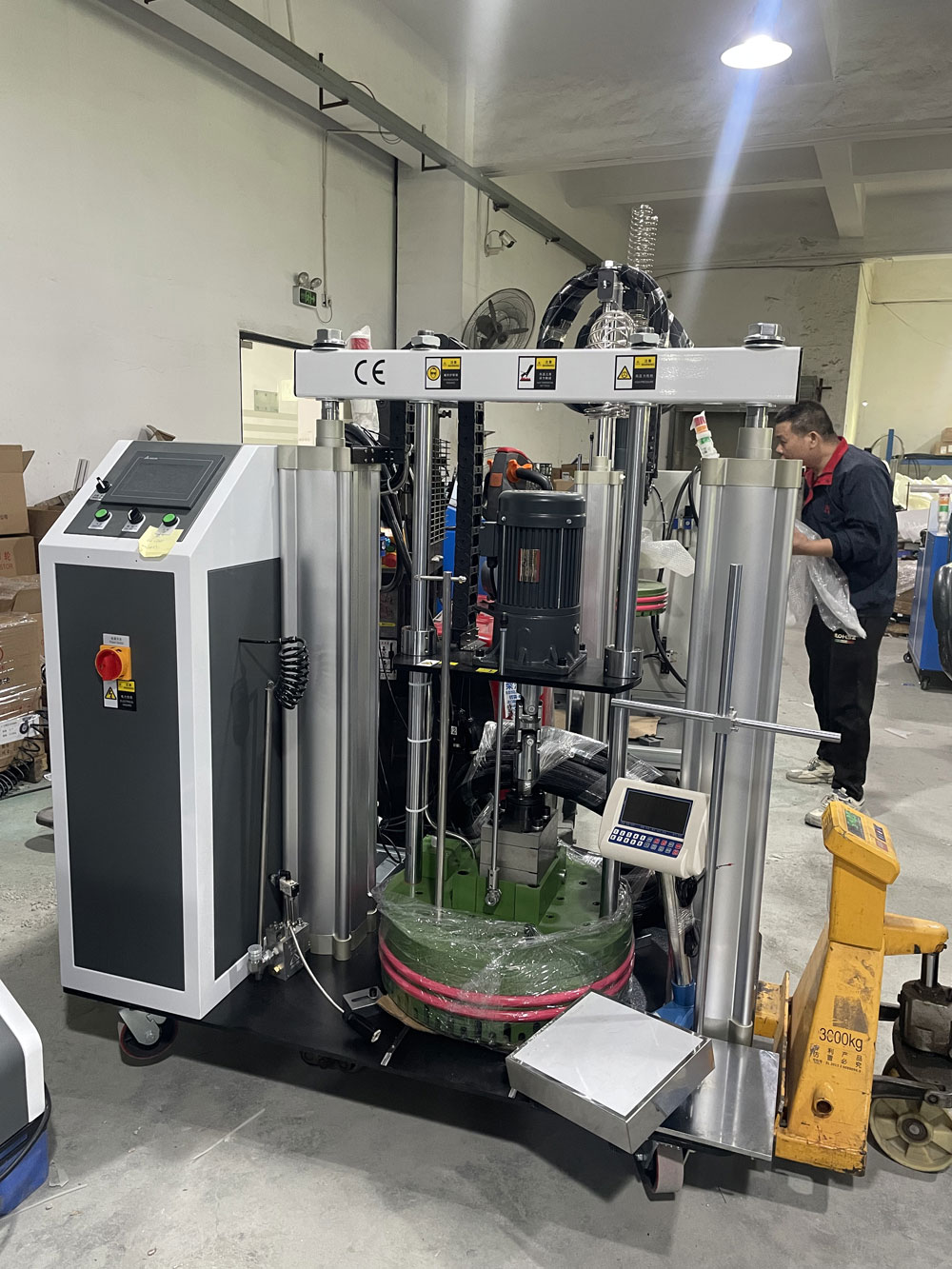
As a professional manufacturer of advanced glue spraying equipment, Saipu Electromechanical has seen how upgrading to a high-performance PUR hot melt adhesive machine can transform both productivity and profitability.
The Hidden Cost Problem in Traditional Lamination
Many factories still evaluate adhesive solutions based only on price per kilogram. In reality, the biggest costs are often hidden in the process:
Long curing times slow down production
High coating weight increases material consumption
Delamination leads to rework and scrap
Large buffer areas increase space costs
Labor inefficiencies reduce overall output
Traditional hot melt or solvent-based systems may appear cheaper, but they often result in higher long-term operational costs.
How PUR Technology Changes the Cost Equation
1. Faster Production Cycles = Higher Throughput
One of the most immediate benefits of PUR Hot melt glue machines is speed.
PUR adhesives provide instant initial bonding combined with rapid moisture curing, allowing products to move quickly to the next process stage.
In practical terms:
Some industrial cases show curing time reductions of over 80%, dramatically improving throughput.
A well-optimized PUR hot melt adhesive machine enables continuous lamination processes without interruptions.
2. Lower Adhesive Consumption = Direct Cost Savings
Unlike traditional systems that require thick adhesive layers, PUR technology delivers high bonding strength with thinner coatings.
In some cases, adhesive consumption can be reduced by nearly 50% while maintaining superior bonding performance.
This is a key reason why PUR glue machines offer strong cost-performance advantages despite higher material prices.
3. Near-Zero Defect Rates = Less Rework
Delamination is one of the biggest cost drivers in outdoor fabric production.
PUR adhesives form a cross-linked molecular structure, creating a permanent bond that resists moisture, heat, and mechanical stress.
This results in:
Some manufacturers report up to a 90% reduction in defect rates after switching to PUR technology.
A high-precision PUR hot melt adhesive machine ensures stable adhesive application, further minimizing quality issues.
4. Reduced Labor and Space Requirements
Traditional lamination often requires:
Large staging areas for curing
Manual handling between processes
Additional quality checks
With PUR Hot melt glue machines, the process becomes more streamlined:
Faster curing reduces buffer zones
Automation-ready systems reduce manual work
Continuous production flow improves efficiency
In some production lines, floor space usage has been reduced by over 70% after adopting PUR solutions.
5. Long-Term Durability = Lower Lifecycle Cost
Outdoor fabrics must withstand:
Rain and humidity
UV exposure
Temperature fluctuations
Mechanical stress
PUR adhesives offer exceptional resistance to moisture, heat, and environmental conditions, ensuring long-lasting performance.
This durability reduces:
Warranty claims
Product returns
Brand reputation risks
A reliable PUR glue machines setup helps manufacturers deliver premium-quality products with fewer post-sale issues.
Industry Analysis: Cost vs Efficiency Comparison
| Parameter | PUR Hot Melt Systems | Traditional Hot Melt | Solvent-Based Adhesives |
|---|
| Adhesive Consumption | Low | Medium–High | High |
| Curing Time | Very Fast | Fast | Slow |
| Production Efficiency | Very High | Medium | Low |
| Defect Rate | Very Low | Medium | High |
| Labor Requirement | Low | Medium | High |
| Environmental Compliance | High (No VOC) | Medium | Low |
| Total Cost of Ownership | Low | Medium | High |
This comparison clearly shows that PUR Hot melt glue machines outperform traditional systems in both efficiency and long-term cost control.
Why Outdoor Fabric Manufacturers Are Switching
The outdoor textile industry demands:
Waterproof performance
Breathability
Flexibility
Durability
PUR adhesives meet all these requirements while improving production economics.
Additionally, they are:
Solvent-free and environmentally friendly
Compatible with advanced membranes and technical fabrics
Suitable for automated lamination lines
This makes PUR hot melt adhesive machine systems the preferred choice for high-performance fabric production.
Saipu’s Advantage in PUR Technology
As a trusted manufacturer of industrial glue spraying equipment, Saipu Electromechanical provides tailored solutions for textile lamination.
Our PUR Hot melt glue machines are designed with:
Precise temperature and pressure control
Stable adhesive delivery systems
Advanced coating and spraying technologies
Integration with automated production lines
Each PUR hot melt adhesive machine is engineered to maximize efficiency while ensuring consistent bonding quality.
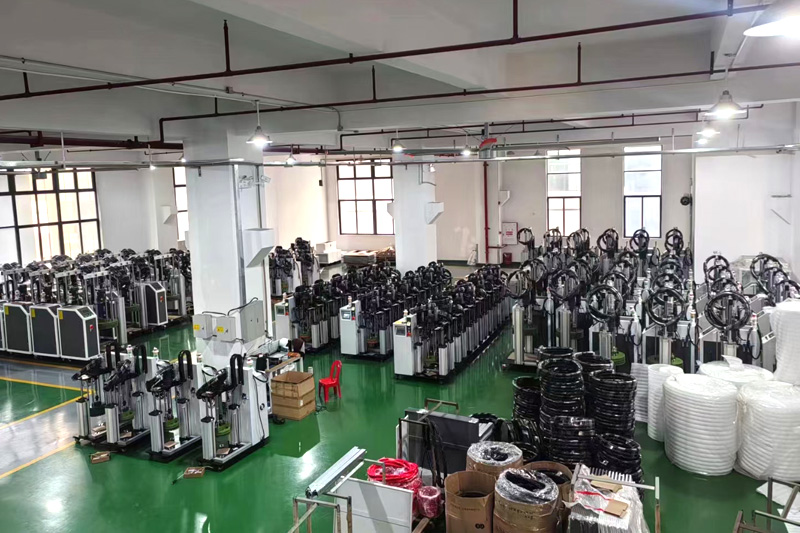
With extensive experience across textile, automotive, hygiene, and packaging industries, Saipu understands how to optimize PUR glue machines for real-world production environments.
FAQ: Key Questions About Cost and Efficiency
Q1: Is PUR more expensive than traditional adhesives?
Yes, the material cost is higher—but the total production cost is often lower due to reduced waste, faster cycles, and fewer defects.
Q2: How quickly can manufacturers see ROI?
In many cases, the return on investment can be achieved within months due to efficiency gains and cost savings.
Q3: Can PUR glue machines support high-speed production?
Absolutely. PUR Hot melt glue machines are designed for automated, high-speed lamination lines.
Q4: Does PUR reduce delamination problems?
Yes. The chemical cross-linking structure significantly improves bonding strength and durability, reducing delamination risks.
Q5: Is PUR environmentally friendly?
Yes. PUR adhesives are solvent-free and emit no VOCs, making them suitable for sustainable manufacturing.
The Strategic Value of Switching to PUR
Switching to PUR is not just a technical upgrade—it is a business decision.
Manufacturers gain:
In an industry where margins are tight and expectations are high, these advantages are critical.
Call to Action
If your current lamination process is limiting your efficiency or increasing your costs, it may be time to upgrade.
Saipu Electromechanical offers advanced PUR hot melt adhesive machine solutions designed specifically for outdoor fabric lamination.
Contact us today to learn how our high-performance glue spraying equipment can help you reduce costs, improve efficiency, and stay ahead in the competitive textile market.
Conclusion
The shift toward PUR Hot melt glue machines in outdoor fabric lamination is driven by measurable results—not trends.
From reduced adhesive consumption and faster curing times to lower defect rates and improved durability, PUR technology delivers a clear advantage in both cost-performance and production efficiency.
With the right PUR glue machines and technical expertise, manufacturers can transform their production lines into high-efficiency, high-quality operations.
In the end, the question is no longer whether to switch to PUR—but how soon you can start realizing its benefits.