


Meet Saipu at ITMA ASIA + CITME 2026: Discover PUR Hot Melt Glue Machines for Textile Manufacturing
2026-11-18 10:44Saipu Electromechanical Device Co., Ltd. warmly invites textile manufacturers, industry professionals, and international buyers to visit our booth at ITMA ASIA + CITME 2026, taking place from November 20 to 24, 2026, at the National Exhibition and Convention Center (Shanghai), China.
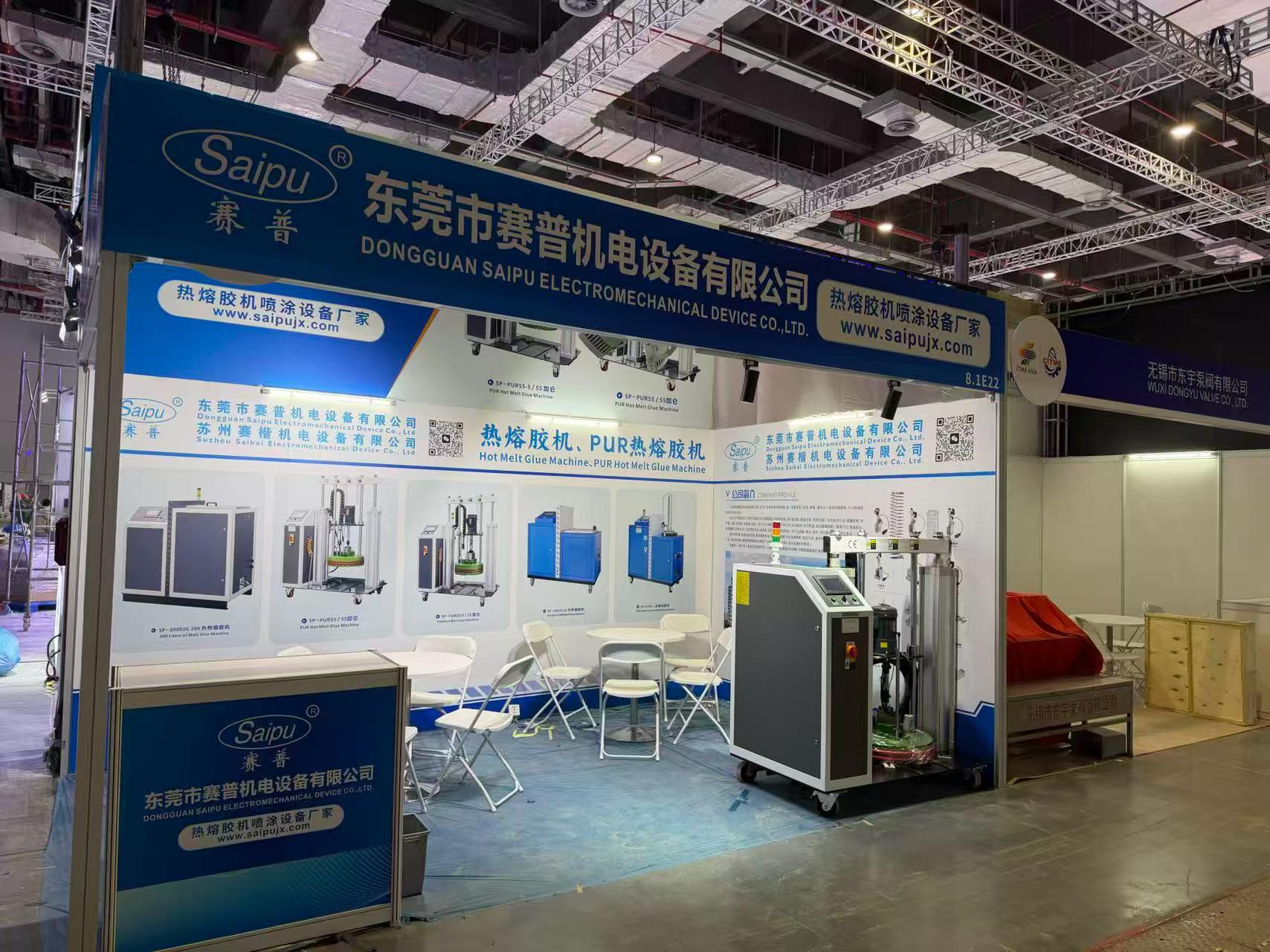
At Hall 8.1, Booth E22, Saipu will present PUR hot melt glue machine solutions and discuss adhesive application requirements for textile manufacturing.
For textile manufacturers, selecting the right PUR hot melt adhesive equipment is not simply about choosing a machine with sufficient melting capacity. Adhesive characteristics, substrate compatibility, coating uniformity, temperature control, production speed, and equipment integration all influence the final bonding result.
Whether you are planning to upgrade an existing textile lamination line, improve adhesive application consistency, or evaluate a new PUR hot melt adhesive system, our team looks forward to discussing your production requirements in person.
Meet Saipu at ITMA ASIA + CITME 2026!
Exhibition: ITMA ASIA + CITME 2026
Date: November 20–24, 2026
Venue: National Exhibition and Convention Center (Shanghai), China
Hall: 8.1
Booth: E22
Featured Equipment: PUR Hot Melt Glue Machines
Company: Saipu Electromechanical Device Co., Ltd.
1. Why Is Choosing the Right PUR Hot Melt Glue Machine Important for Textile Production?
Textile manufacturing involves various materials and bonding processes. Fabrics, nonwoven materials, foam, films, and composite substrates may require different adhesive application methods.
When selecting PUR hot melt adhesive equipment, manufacturers often face several production challenges.
Uneven Adhesive Application
In textile lamination, uneven adhesive distribution may cause inconsistent bonding, local delamination, or unwanted changes in material appearance.
The application system should match the required coating pattern, material width, and production speed.
Unstable Adhesive Temperature
PUR hot melt adhesive requires appropriate temperature management during melting and delivery. Temperature conditions that do not match the adhesive manufacturer's recommendations may affect viscosity, flow behavior, and application consistency.
Adhesive Waste and Excessive Application
Applying more adhesive than the process requires may increase material costs and affect the finished product.
Selecting suitable applicators, nozzles, and control settings can help manufacturers manage adhesive distribution more effectively.
Production-Line Compatibility
A PUR hot melt glue machine must work with the existing production line, including material feeding, coating or spraying equipment, and production controls.
For this reason, equipment selection should consider the complete application process rather than the melting unit alone.
2. How to Choose a PUR Hot Melt Glue Machine for Textile Applications
Before purchasing a PUR hot melt adhesive system, buyers should evaluate the adhesive formulation, substrate, application method, and production requirements.
Choose According to the PUR Adhesive Type
PUR hot melt adhesives are reactive adhesives that cure through a reaction with moisture. Their viscosity, recommended processing temperature, open time, and handling requirements vary by formulation.
Before selecting equipment, buyers should confirm:
The PUR adhesive manufacturer's technical data sheet
Recommended processing and application temperatures
Adhesive viscosity under actual operating conditions
Required melting and delivery capacity
Compatibility with the machine's tank, pump, hoses, and applicators
Required cleaning and moisture-control procedures
PUR adhesive handling is particularly important because premature moisture exposure can cause curing inside equipment components. Buyers should follow the adhesive supplier's instructions for storage, handling, machine operation, and cleaning.
Choose According to the Application Method
Different textile bonding processes may require different adhesive application configurations.
| Application method | Suitable process considerations | Purchasing focus |
|---|---|---|
| Roller coating | Continuous adhesive application on compatible substrates | Coating width and distribution |
| Slot coating | Controlled application across a defined width | Coating uniformity and output |
| Spray application | Patterned adhesive distribution | Spray width, nozzle selection, and overspray |
| Bead application | Adhesive applied along defined bonding areas | Bead consistency and positioning |
| Multi-gun application | Multiple application points or zones | Synchronization and adhesive supply |
The final application method should be determined through process evaluation and sample testing.
Choose According to Production Capacity
The required machine capacity depends on actual adhesive consumption and production conditions.
Buyers should consider:
Adhesive consumption per hour.
Working width of the textile material.
Production line speed.
Number of application positions.
Daily operating hours.
Adhesive viscosity and processing conditions.
A machine with an appropriate melting and delivery capacity can better support the intended production process without unnecessary oversizing.
3. What Technical Parameters Should Textile Buyers Check?
Technical specifications are essential when comparing PUR hot melt glue machines from different suppliers.
The following checklist can help purchasing teams and production engineers evaluate equipment suitability.
| Technical parameter | Why it matters | What buyers should confirm |
|---|---|---|
| Adhesive compatibility | Determines whether the equipment can process the selected PUR formulation | Adhesive technical data and equipment compatibility |
| Tank capacity | Influences adhesive replenishment frequency | Capacity based on actual consumption |
| Melting capacity | Determines adhesive supply capability | Output under intended operating conditions |
| Temperature control | Maintains suitable adhesive processing conditions | Recommended temperature range and control stability |
| Pumping system | Transfers adhesive through the equipment | Flow rate, pressure, and viscosity compatibility |
| Heated hose | Maintains adhesive temperature during delivery | Hose length and heating configuration |
| Application gun | Controls adhesive application | Compatible gun and nozzle configuration |
| Coating width | Determines the working area | Required material width and application coverage |
| Production speed | Affects adhesive supply requirements | Compatibility with the production line |
| Control system | Supports operating adjustments and process integration | Manual or automatic control requirements |
| Cleaning and maintenance | Influences equipment service life and downtime | PUR-specific maintenance procedures |
Why Is Temperature Control Important for PUR Adhesive?
PUR hot melt adhesive needs to be processed within the temperature range specified by its manufacturer.
Insufficient heating may affect adhesive flow, while excessive temperature or prolonged residence time may change adhesive properties or increase degradation risks.
Buyers should confirm that the equipment's heating zones, temperature sensors, hoses, and applicators are appropriate for the selected adhesive formulation.
Why Should Buyers Evaluate the Complete Delivery System?
A PUR hot melt glue machine is not just a melting tank. The adhesive delivery system includes several connected components:
Melting and heating unit
Pumping and pressure delivery system
Heated hoses
Application guns or coating heads
Nozzles and related accessories
Temperature and operating controls
All these components should be evaluated together to ensure compatibility with the intended application.
4. Where Can PUR Hot Melt Adhesive Equipment Be Used in Textile Manufacturing?
PUR hot melt adhesive technology can support a variety of textile and flexible-material bonding processes, subject to adhesive and substrate compatibility.
Textile Lamination
Textile lamination involves bonding fabrics with films, foams, or other compatible materials.
PUR hot melt adhesive equipment may be considered for applications requiring controlled adhesive distribution and durable bonding.
Key evaluation factors include:
Material compatibility
Required bonding strength
Coating width
Adhesive application quantity
Production line speed
Nonwoven Material Bonding
Nonwoven manufacturing and converting processes may involve bonding different material layers or assembling functional textile structures.
Depending on the process, buyers may evaluate spray, coating, or other application configurations.
Fabric and Foam Bonding
Fabric-to-foam bonding is used in selected furniture, automotive interior, and composite material applications.
The equipment should be matched to the substrate characteristics, adhesive open time, application pattern, and required finished-product performance.
Functional Textile and Composite Materials
Technical textiles and composite materials may require specialized bonding processes.
In these applications, buyers should pay particular attention to adhesive compatibility, material sensitivity, coating uniformity, and production validation.
5. What Should Buyers Consider Before Purchasing a PUR Hot Melt Glue Machine?
For textile machinery buyers, the most reliable purchasing decision comes from comparing equipment against real production requirements.
Before confirming an order, consider the following questions.
1. Is the machine compatible with your PUR adhesive?
Provide the adhesive technical data sheet so the supplier can evaluate compatibility.
2. Does the machine provide sufficient melting capacity?
Calculate actual adhesive consumption according to production speed, working width, and application requirements.
3. Is the application method suitable for your material?
Evaluate whether roller coating, slot coating, spraying, or another method is appropriate.
4. Can the equipment integrate with your existing production line?
Check machine dimensions, material feeding, electrical interfaces, and control requirements.
5. Are the cleaning and maintenance procedures suitable for PUR adhesive?
PUR equipment requires particular attention to moisture exposure and cleaning procedures.
6. Can the supplier support equipment configuration and troubleshooting?
Confirm the availability of technical documentation, operating guidance, spare parts, and after-sales support.
7. Can the proposed solution be tested before mass production?
Where possible, use representative materials and the intended adhesive for application trials.
A suitable PUR hot melt glue machine should meet the process requirements while remaining practical to operate and maintain.
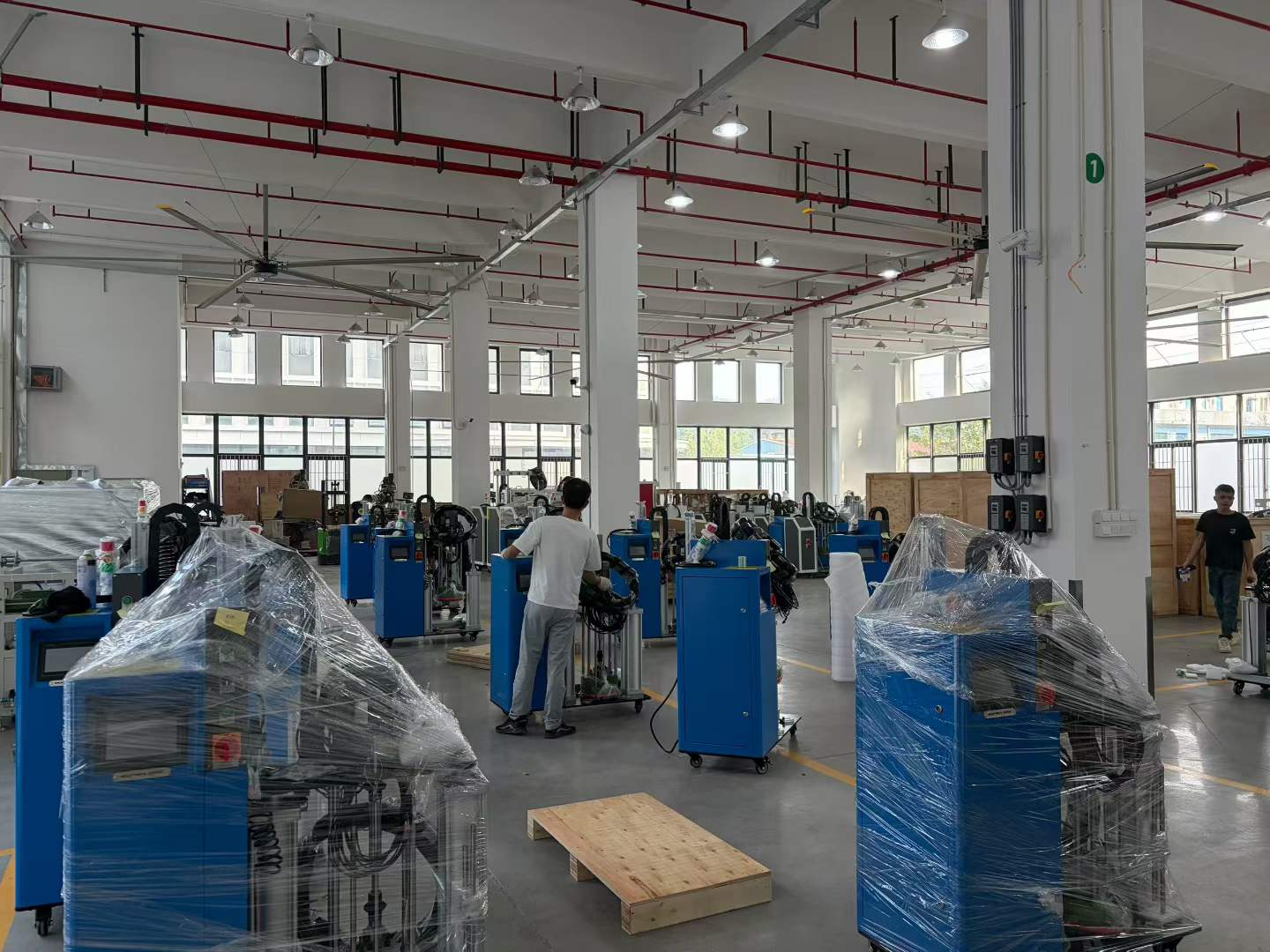
6. Saipu Electromechanical Device Co., Ltd.: PUR Hot Melt Adhesive Solutions for Textile Manufacturers
Saipu Electromechanical Device Co., Ltd. specializes in hot melt adhesive machinery and industrial adhesive application equipment.
For textile manufacturers, Saipu focuses on understanding the customer's bonding process and evaluating equipment configurations according to adhesive properties, substrate materials, production capacity, and application requirements.
At ITMA ASIA + CITME 2026, Saipu welcomes visitors to discuss:
PUR hot melt glue machine selection
Adhesive melting and delivery requirements
Temperature control and heated hose configuration
Spray guns and application components
Textile lamination and bonding processes
Production-line integration requirements
Equipment operation and maintenance considerations
Rather than assuming that one machine configuration fits every application, Saipu encourages customers to bring their adhesive specifications, material samples, and production requirements for a more targeted technical discussion.
The goal is to help manufacturers evaluate a suitable hot melt adhesive application solution for their actual production conditions.
7. Meet Saipu at ITMA ASIA + CITME 2026 – Hall 8.1, Booth E22
The 2026 China International Textile Machinery Exhibition and ITMA ASIA exhibition will take place from November 20 to 24, 2026, at the National Exhibition and Convention Center (Shanghai).
As a major international textile machinery exhibition, ITMA ASIA + CITME brings together textile machinery manufacturers, technology suppliers, and industry professionals across the textile production value chain.
Saipu Electromechanical Device Co., Ltd. sincerely invites new and existing customers to visit our booth and explore PUR hot melt adhesive equipment for textile manufacturing.
<event invitation>
Meet Saipu at ITMA ASIA + CITME 2026!
Date: November 20–24, 2026
Venue: National Exhibition and Convention Center (Shanghai), China
Hall: 8.1
Booth: E22
Featured Product: PUR Hot Melt Glue Machines
Bring your application questions, material requirements, and adhesive specifications. Our team looks forward to meeting you and discussing suitable adhesive application solutions for your textile production line.
Contact Saipu for PUR Hot Melt Glue Machine Solutions
Are you planning to upgrade your textile lamination process or source a PUR hot melt adhesive machine for a new production line?
Contact Saipu Electromechanical Device Co., Ltd. to discuss your application requirements and equipment selection.
Email: yoko@dgsaipu.com
WhatsApp: +86 13922963090
Visit us at Hall 8.1, Booth E22, or contact our team to discuss your PUR hot melt adhesive equipment requirements.
Saipu looks forward to meeting you in Shanghai!