



Hot Melt Glue Machines Shipped to Europe & North America | Saipu
2026-11-11 10:15Hot Melt Glue Machines Shipped to Europe and North America: Reliable Adhesive Application Solutions for Woodworking, Textile and Packaging Industries
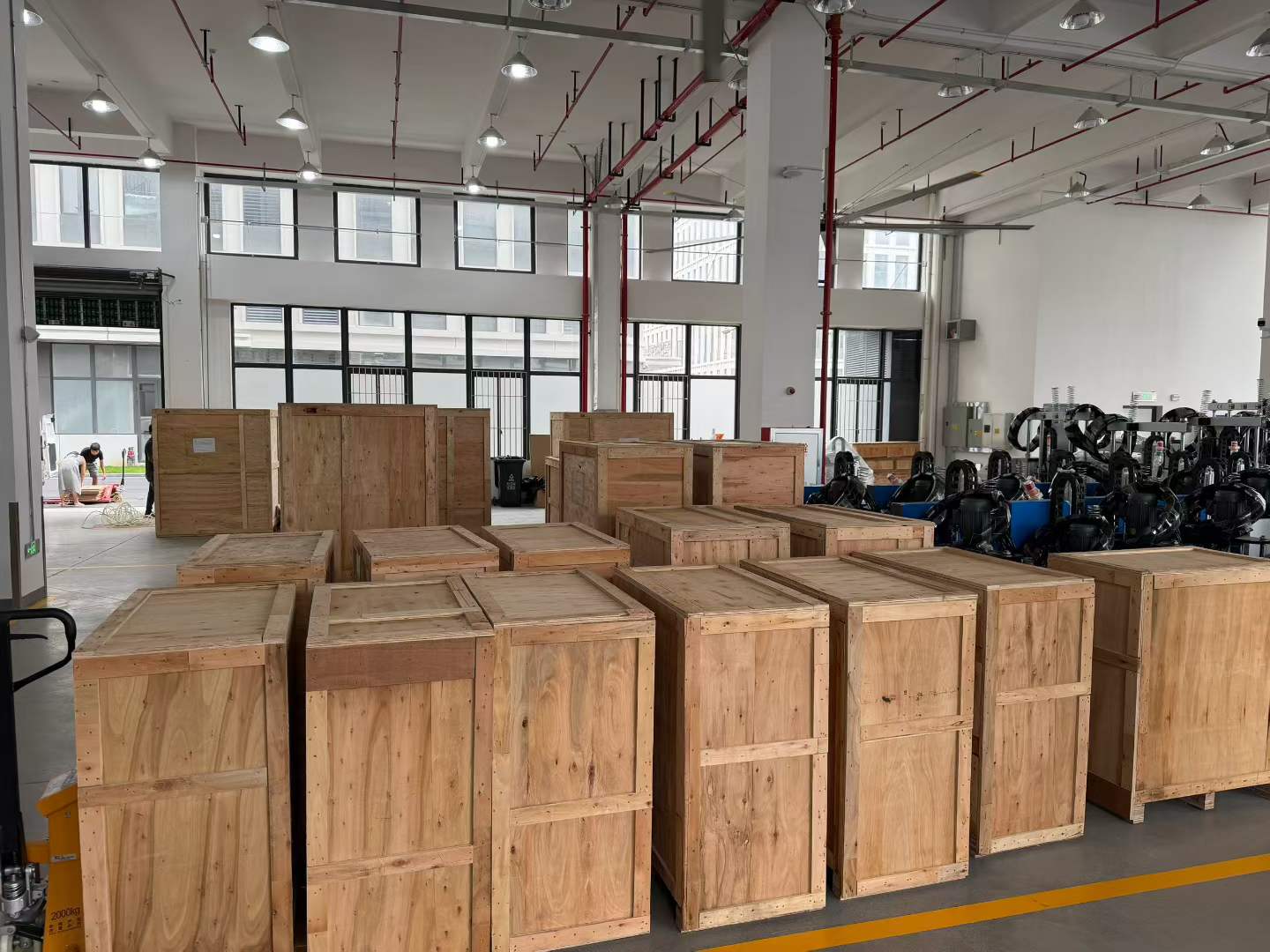
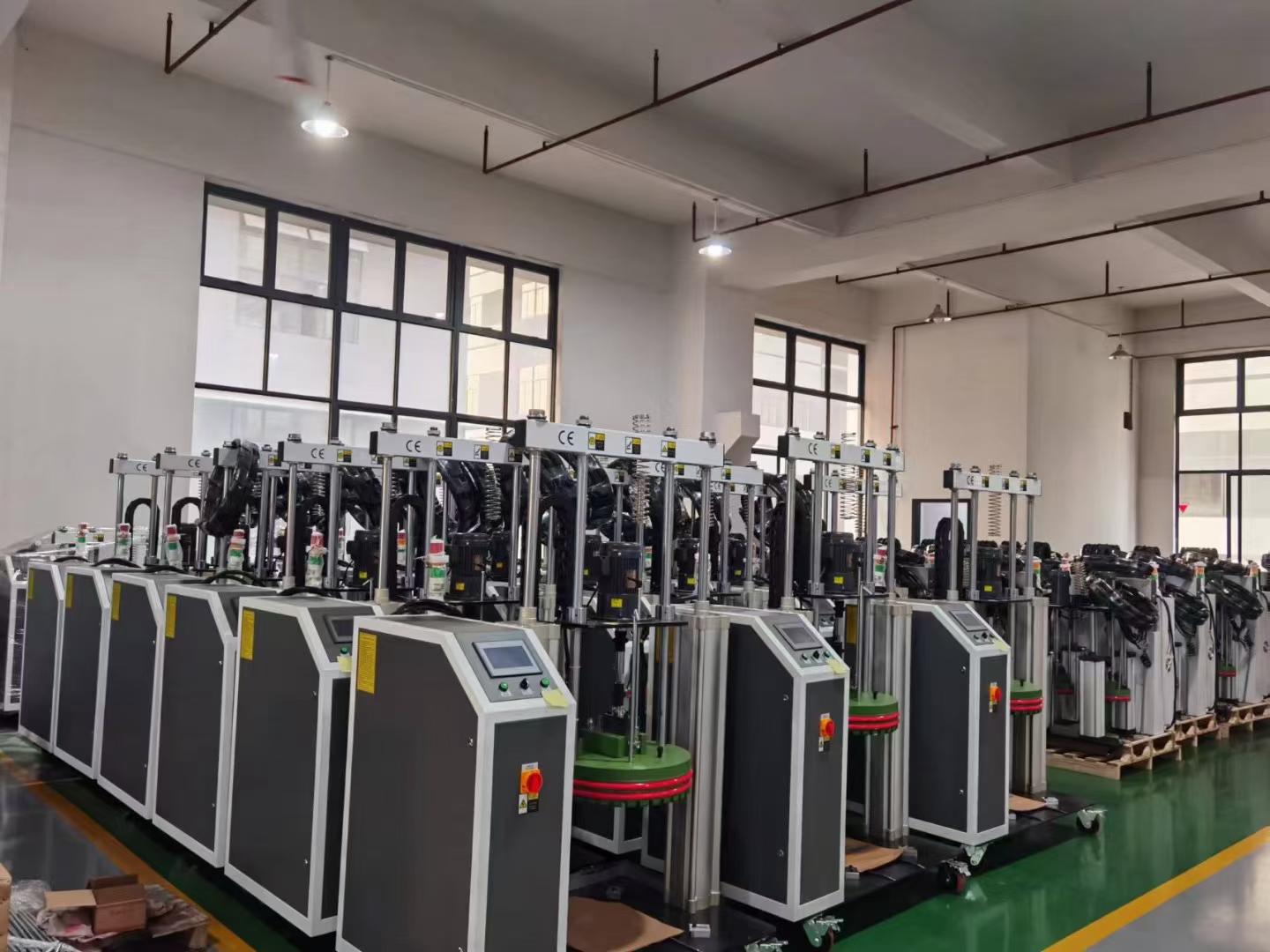
Saipu Electromechanical Device Co., Ltd. has completed another batch of hot melt glue machine shipments to customers in Europe and North America. Designed for industrial adhesive application processes, Saipu's hot melt adhesive equipment serves a variety of manufacturing sectors, including woodworking, textile processing, packaging, and other industries requiring reliable adhesive delivery and application.
For international manufacturers, choosing the right hot melt glue machine is an important investment decision. Equipment performance affects adhesive consumption, production efficiency, bonding consistency, and long-term operating costs.
However, different industries have different adhesive requirements. A machine used for furniture profile wrapping may require a different configuration from equipment used for textile lamination or packaging production.
This article explores what buyers should consider when sourcing hot melt glue machines, how to evaluate important technical specifications, and how to select equipment that matches their production requirements.
1. Why Is Choosing the Right Hot Melt Glue Machine Important?
Manufacturers in Europe and North America often have specific requirements for production consistency, equipment compatibility, maintenance, and operational efficiency.
When selecting industrial hot melt adhesive equipment, buyers may encounter several common challenges.
Unstable adhesive application
Inconsistent adhesive delivery can result in uneven coating, insufficient bonding, or excessive adhesive consumption. The application system must match the adhesive properties and production process.
Incorrect equipment configuration
A machine with insufficient melting capacity, unsuitable pumping performance, or incompatible application components may not support the required production speed.
Temperature control difficulties
Different hot melt adhesives have different recommended processing temperatures. Inappropriate temperature settings may affect adhesive viscosity, flow characteristics, and bonding performance.
Production-line integration problems
Equipment must work with the customer's existing production machinery, control system, and application process. Poor integration may increase adjustment time and production interruptions.
Maintenance and operating costs
Buyers should consider cleaning procedures, replacement components, adhesive waste, and technical support—not just the initial equipment price.
For these reasons, purchasing a hot melt glue machine should begin with a clear understanding of the production process and adhesive requirements.
2. How to Select Hot Melt Glue Machines for Different Industries
The correct equipment configuration depends on the adhesive type, substrate, application method, and production capacity.
Hot Melt Glue Machines for Woodworking
Woodworking manufacturers use adhesive application equipment in various processes, including furniture manufacturing, profile wrapping, panel lamination, and selected component bonding operations.
When selecting a hot melt glue machine for woodworking, buyers should evaluate:
Compatibility with EVA, PUR, or other specified hot melt adhesives
Required adhesive melting capacity and delivery rate
Application method, such as spraying, bead application, or coating
Heated hose and applicator configuration
Production speed and automation requirements
Compatibility with the existing woodworking machinery
For profile wrapping and panel lamination, adhesive distribution and process stability are particularly important. The machine should be selected according to the substrate, decorative material, adhesive formulation, and required bonding performance.
Hot Melt Glue Machines for Textile Processing
Textile manufacturing may involve bonding fabrics, films, foam materials, nonwovens, and other flexible substrates.
Hot melt adhesive equipment can support compatible applications such as:
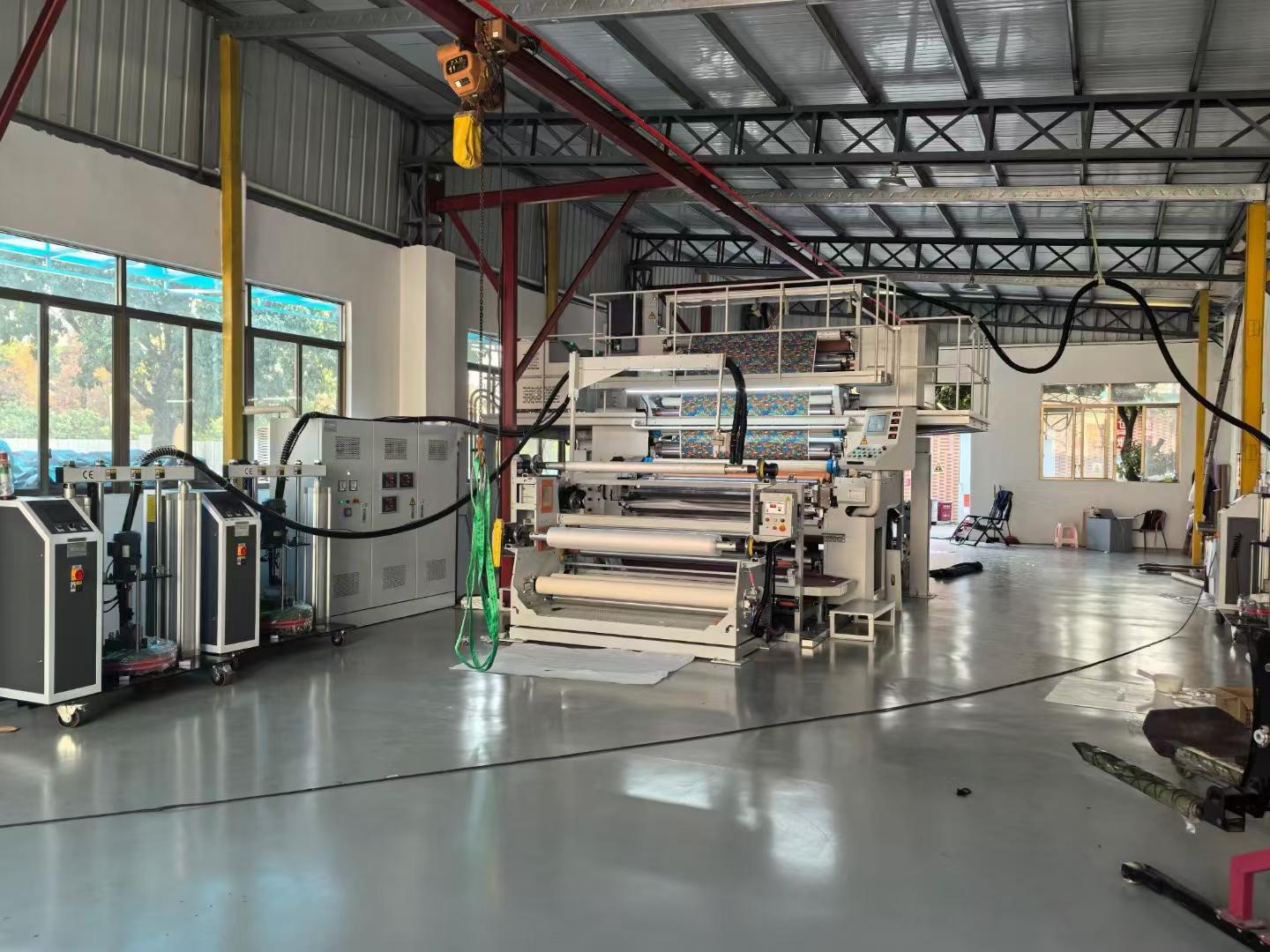
Textile lamination
Fabric-to-foam bonding
Nonwoven material processing
Flexible material assembly
Selected composite bonding processes
For these applications, buyers should pay attention to adhesive viscosity, spray width, coating uniformity, substrate sensitivity, and production-line speed.
An appropriate spraying or coating configuration helps manufacturers control adhesive distribution while maintaining the required bonding characteristics.
Hot Melt Glue Machines for Packaging
Packaging production involves various adhesive application requirements, from carton assembly to flexible packaging and product packaging operations.
Depending on the application, manufacturers may require:
Precise adhesive bead application
Intermittent adhesive spraying
Continuous adhesive coating
Multiple application guns
Automatic adhesive delivery synchronized with production speed
When selecting packaging equipment, buyers should evaluate production cycle time, adhesive output, application accuracy, and integration with existing packaging machinery.
3. What Technical Parameters Should Buyers Check Before Purchasing?
Technical specifications provide the foundation for comparing hot melt glue machines from different manufacturers.
Before placing an order, buyers should request a detailed technical specification sheet and confirm that the proposed machine matches their intended application.
| Technical parameter | What it means | What buyers should confirm |
|---|---|---|
| Adhesive compatibility | Supported adhesive formulations | EVA, PUR, PSA, or other specified adhesives |
| Tank capacity | Amount of adhesive the machine can hold | Capacity based on production consumption |
| Melting capacity | Rate at which adhesive can be melted | Required output under actual operating conditions |
| Temperature control | Management of adhesive heating | Suitable temperature range and control stability |
| Pumping system | Adhesive delivery mechanism | Flow rate, pressure, and viscosity compatibility |
| Heated hose | Transfers adhesive while maintaining temperature | Hose length, heating configuration, and layout |
| Spray gun or applicator | Applies adhesive to the substrate | Spray, bead, slot, or other application patterns |
| Control system | Manages machine operation | Manual or automatic operation and synchronization |
| Electrical configuration | Determines installation compatibility | Voltage, frequency, phase, and total power |
| Maintenance requirements | Affects long-term operation | Cleaning procedures, spare parts, and service access |
Why Are Adhesive Compatibility and Temperature Control Important?
Hot melt adhesives require suitable processing conditions to maintain their intended application properties.
The machine's heating system, pump, hoses, and application components must be compatible with the adhesive being used.
For PUR hot melt adhesives, buyers should pay particular attention to moisture exposure, storage, handling, and cleaning procedures because PUR reacts with moisture during curing.
A supplier should review the adhesive technical data sheet before recommending the equipment configuration.
How Much Melting Capacity Do You Need?
Melting capacity should be calculated according to actual adhesive consumption rather than selected solely by tank size.
Buyers should consider:
Adhesive consumption per hour.
Production line operating speed.
Daily operating hours.
Production shifts and replenishment frequency.
Adhesive viscosity and recommended processing conditions.
Whether several application guns operate simultaneously.
A machine with an appropriate melting and delivery capacity helps support stable production without unnecessary equipment oversizing.
4. Industrial Applications of Saipu Hot Melt Adhesive Equipment
Saipu Electromechanical Device Co., Ltd. provides hot melt adhesive machinery for industrial bonding and application processes across different manufacturing sectors.
The following applications illustrate where hot melt adhesive equipment may be considered.
| Industry | Typical application | Main equipment considerations |
|---|---|---|
| Woodworking | Profile wrapping, panel lamination, furniture bonding | Adhesive compatibility, coating method, line speed |
| Textile | Fabric lamination, foam bonding, nonwoven processing | Spray width, coating uniformity, substrate properties |
| Packaging | Carton packaging, product assembly, adhesive application | Application timing, output, production synchronization |
| Automotive | Selected interior component bonding | Application precision, adhesive compatibility, integration |
| Hygiene products | Selected nonwoven bonding applications | Spray pattern, adhesive delivery, production speed |
| Filter manufacturing | Filter material bonding and assembly | Application position, adhesive quantity, process consistency |
Not every machine configuration is suitable for every application. Buyers should confirm the adhesive, substrate, and production conditions through technical evaluation and sample testing.
5. What Should European and North American Buyers Consider Before Ordering?
When importing hot melt glue machines from China, buyers should evaluate more than product specifications.
A structured procurement process helps reduce equipment selection errors and communication problems.
Step 1: Define Your Production Requirements
Provide the supplier with basic application information:
Final product and industry
Substrate materials
Adhesive brand and formulation
Required adhesive consumption
Production line speed
Desired application pattern
Daily operating hours
These details help the supplier understand the actual production requirements.
Step 2: Confirm Equipment Specifications
Before approving the order, check:
Machine model and configuration
Tank capacity and melting capacity
Temperature control requirements
Pump and adhesive delivery specifications
Heated hose and gun configuration
Electrical standards
Machine dimensions and installation space
The final technical specification should be confirmed in writing.
Step 3: Evaluate Export and Installation Requirements
For overseas shipments, buyers should confirm:
Export packaging and transportation protection
Voltage, frequency, and electrical connection requirements
Installation instructions and operating documentation
Spare parts and maintenance recommendations
Applicable conformity documentation
Remote technical support arrangements
For European and North American markets, buyers should also identify the applicable local electrical, machinery safety, and regulatory requirements for their intended installation. Any certification or conformity claim should be verified for the specific machine model and destination market.
Step 4: Compare Total Cost of Ownership
The lowest initial purchase price does not always represent the best long-term investment.
A more complete comparison should include:
Initial equipment cost
Adhesive consumption
Energy consumption
Maintenance and replacement parts
Production downtime
Installation and commissioning
Technical support and service availability
A properly matched hot melt adhesive system can help manufacturers manage their production process more effectively.
6. Saipu Electromechanical Device Co., Ltd.: Hot Melt Adhesive Equipment for Global Manufacturers
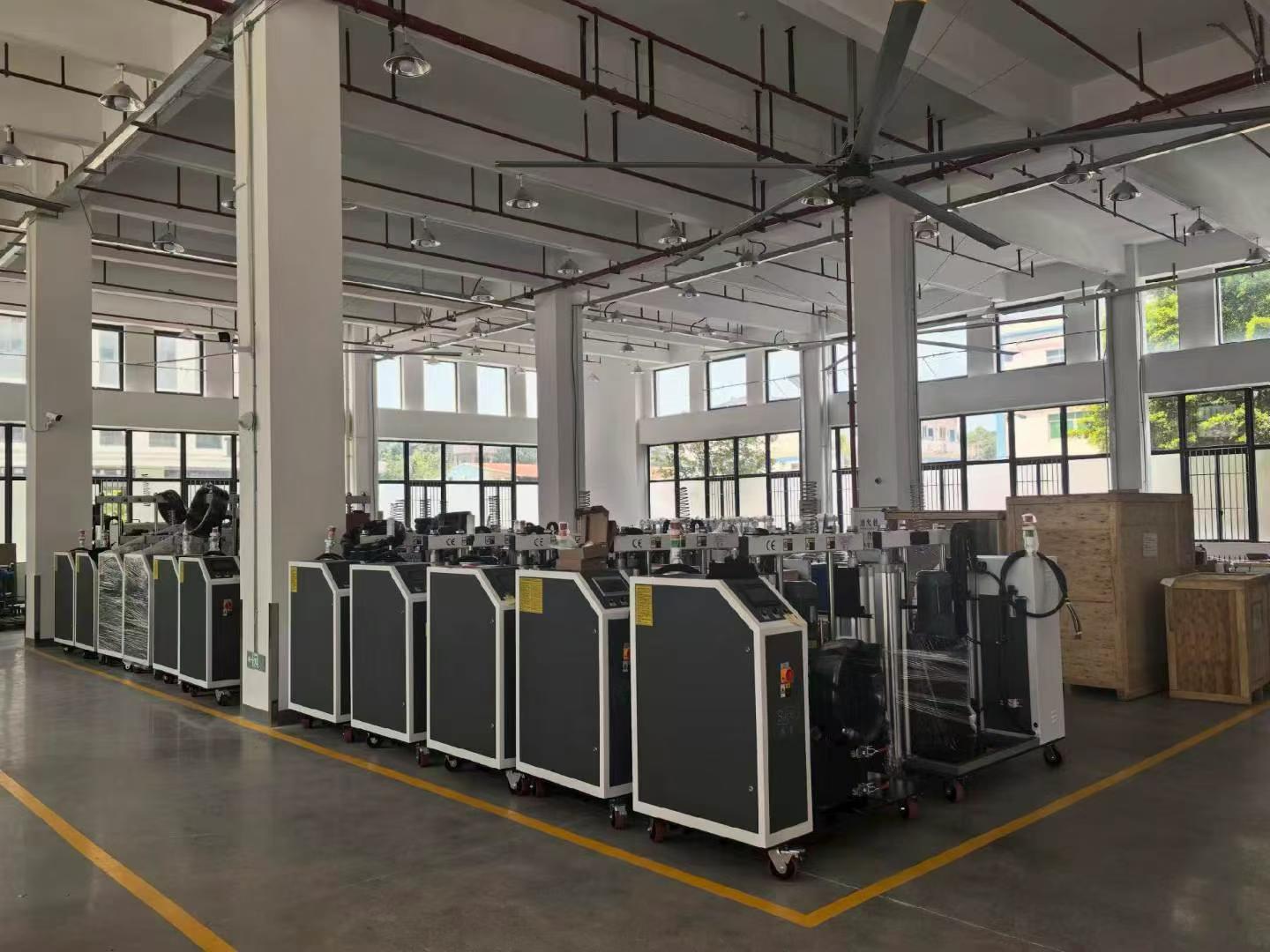
Saipu Electromechanical Device Co., Ltd. specializes in hot melt glue machinery and industrial adhesive application equipment.
The company focuses on providing equipment solutions for different adhesive application processes, helping manufacturers evaluate machine configurations according to their materials, adhesives, and production requirements.
Saipu's equipment range includes different hot melt adhesive machine configurations and related application components, supporting customer requirements across woodworking, textile, packaging, and other industrial sectors.
For overseas customers, the equipment selection process can cover:
Adhesive type and technical data review
Machine capacity and configuration evaluation
Heating and adhesive delivery requirements
Heated hose, spray gun, and applicator selection
Production-line integration considerations
Equipment operation and maintenance guidance
The recent shipment of hot melt glue machines to Europe and North America reflects Saipu's ongoing international supply activities.
For each project, Saipu encourages customers to provide detailed application information before finalizing the machine configuration. This approach helps ensure that equipment selection is based on real production requirements rather than general product descriptions.
7. Looking for a Hot Melt Glue Machine Manufacturer in China?
If your factory is planning to purchase hot melt adhesive equipment for woodworking, textile processing, packaging, or another industrial application, selecting a suitable manufacturer is an important step.
Before requesting a quotation, prepare the following information:
| Information required | Example |
|---|---|
| Industry | Woodworking, textile, packaging |
| Adhesive type | EVA, PUR, PSA, or other formulation |
| Substrate | Wood, fabric, foam, film, paper, etc. |
| Adhesive consumption | Required quantity per hour |
| Application method | Spray, bead, coating, or multiple guns |
| Production speed | Current or planned production speed |
| Destination market | Europe, North America, or another region |
| Electrical requirements | Local voltage, frequency, and phase |
With these details, Saipu Electromechanical Device Co., Ltd. can better understand your application and evaluate suitable hot melt adhesive equipment options.
Contact Saipu for Hot Melt Glue Machine Solutions
Are you looking for a reliable hot melt glue machine supplier for your production line?
Contact Saipu Electromechanical Device Co., Ltd. to discuss your adhesive application requirements, explore equipment configurations, and request a quotation.
Website: https://www.saipu-adhesivemachine.com/
Email: yoko@dgsaipu.com
WhatsApp: +86 13922963090
Send us your adhesive specifications, material details, and production requirements. Our team can help you evaluate a suitable hot melt adhesive application solution for your manufacturing process.