



Hot Melt Glue Machines vs. Cold Glue Machines: What Are the Real Differences?
2026-03-24 10:22In modern manufacturing, adhesive application is no longer a simple auxiliary process—it is a decisive factor in production efficiency, product quality, and cost control. Among the most widely used glue spraying equipment, two major technologies dominate the market: hot melt glue machines and cold glue machines.
Although both systems are designed to apply adhesives onto substrates, their working principles, application scenarios, and performance characteristics differ significantly. For manufacturers in packaging, hygiene, automotive, electronics, and furniture industries, understanding these differences is essential when selecting the right hot melt adhesive machine or cold glue solution.
As a professional manufacturer specializing in R&D, production, sales, and after-sales service of adhesive spraying systems, we provide a clear, practical comparison to help you make informed decisions.
Understanding the Basics: Two Technologies, Two Approaches
What Are Hot Melt Glue Machines?
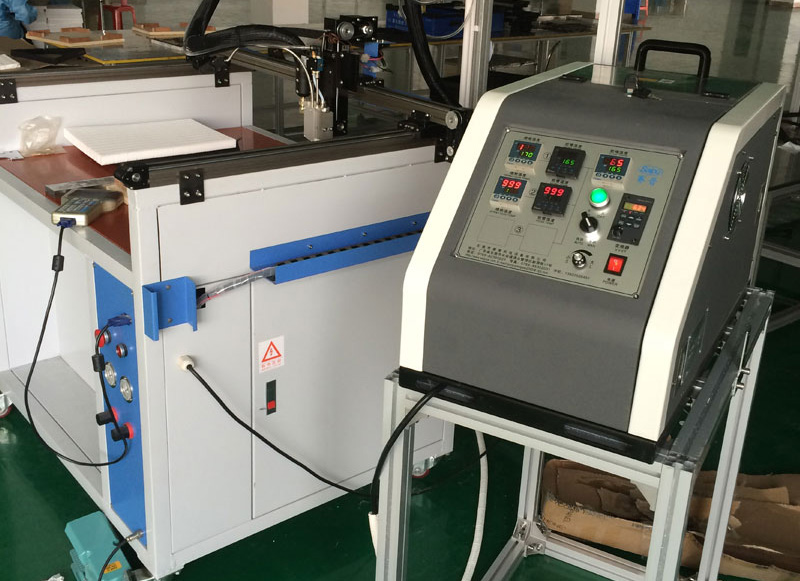
Hot melt glue machines operate by heating solid adhesive (typically in pellet or block form) until it becomes liquid. The melted adhesive is then pumped through hoses and applied via nozzles or spray guns.
Once applied, the adhesive cools and solidifies rapidly, forming a strong bond without requiring drying time.
A modern hot melt adhesive machine integrates precise temperature control, pressure regulation, and automated dispensing to ensure consistent glue output.
What Are Cold Glue Machines?
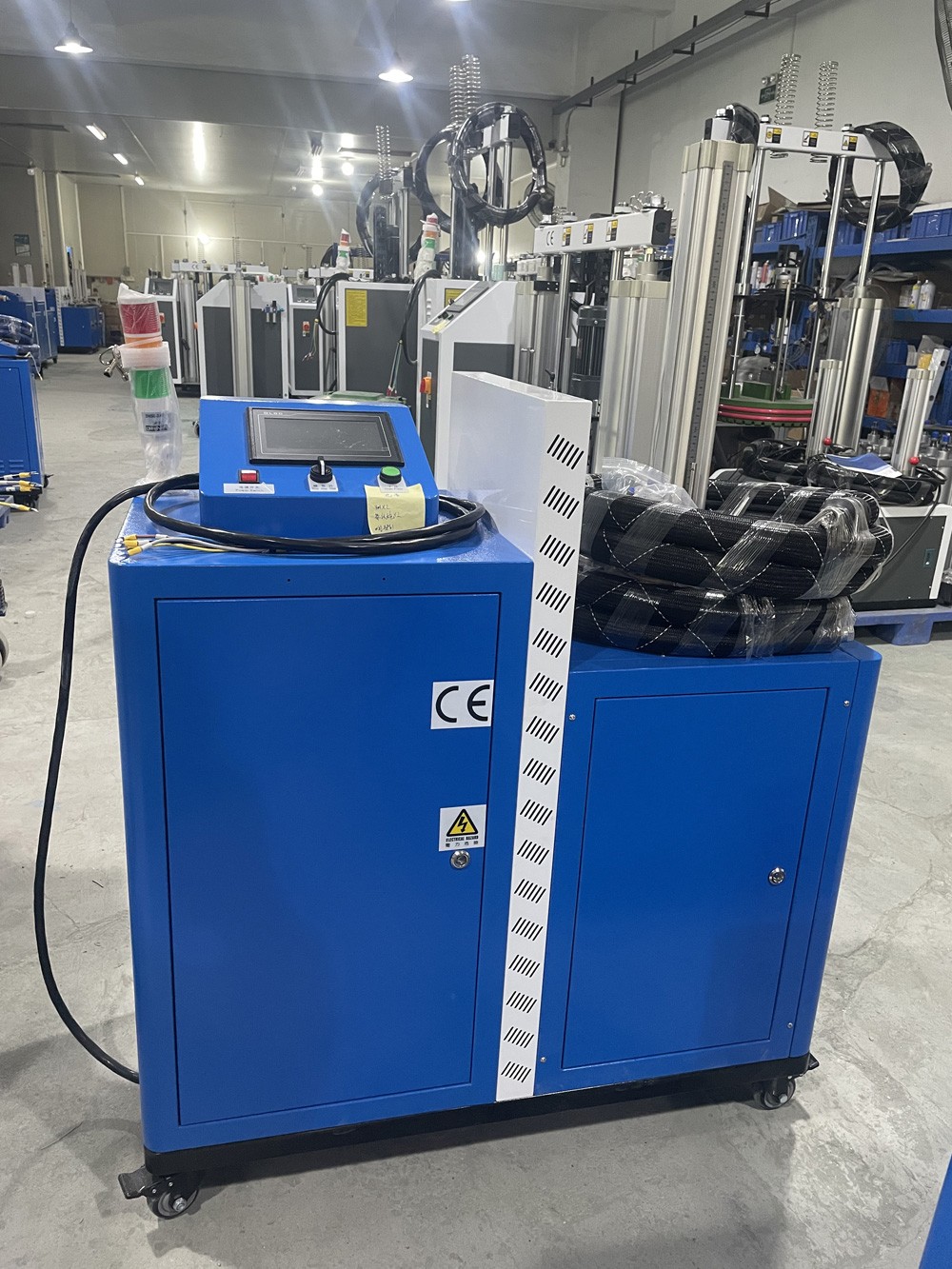
Cold glue machines, by contrast, use water-based or solvent-based liquid adhesives. These adhesives are applied at room temperature and require time to dry or cure after application.
Cold glue systems are commonly used in industries where slower bonding processes are acceptable or where materials are sensitive to heat.
Key Differences Between Hot Melt and Cold Glue Systems
While both types of glue spraying equipment serve similar purposes, their operational characteristics differ in several critical areas.
1. Bonding Speed and Efficiency
One of the most important differences lies in curing time.
Hot melt glue machines provide instant bonding. Adhesive solidifies within seconds after application.
Cold glue machines require evaporation or chemical curing, which takes significantly longer.
For high-speed production lines, especially in packaging and hygiene industries, a hot melt adhesive machine offers a clear advantage in throughput.
2. Adhesive Properties and Strength
Hot melt adhesives form strong bonds through thermoplastic solidification, making them suitable for demanding applications such as carton sealing, automotive components, and furniture lamination.
Cold glue systems rely on drying or chemical reactions, which may result in weaker initial bonding strength.
In applications requiring durability and resistance to environmental factors, hot melt glue machines are generally preferred.
3. Equipment Design and Operation
The design of glue spraying equipment differs significantly between the two systems.
A hot melt adhesive machine requires heating tanks, insulated hoses, and temperature control systems.
Cold glue machines are mechanically simpler, typically involving pumps and application heads without heating components.
However, modern hot melt glue machines compensate for this complexity with higher automation and precision.
4. Environmental and Operational Considerations
Cold glue adhesives often contain water or solvents, which may lead to:
Longer drying times
Potential environmental concerns
Sensitivity to humidity
In contrast, hot melt glue machines operate without solvents, making them cleaner and more suitable for controlled production environments.
5. Cost Efficiency Over Time
Although cold glue systems may have lower initial equipment costs, operational efficiency tells a different story.
A well-designed hot melt adhesive machine reduces:
Production cycle time
Labor requirements
Adhesive waste
Over time, many manufacturers find that hot melt glue machines provide better overall cost performance.
Industry Analysis: Performance Comparison Table
| Parameter | Hot Melt Glue Machines | Cold Glue Machines |
|---|---|---|
| Application Temperature | High (heated system) | Room temperature |
| Bonding Speed | Instant | Slow (requires drying) |
| Adhesive Type | Solid thermoplastic | Liquid (water/solvent-based) |
| Production Efficiency | High | Medium |
| Equipment Complexity | Moderate | Low |
| Environmental Impact | Low (no solvent) | Medium |
| Maintenance Requirements | Moderate | Low |
| Typical Applications | Packaging, hygiene, automotive | Paper products, labeling |
This comparison clearly shows why hot melt glue machines dominate high-speed industrial applications.
Application Scenarios: Choosing the Right System
Where Hot Melt Glue Machines Excel
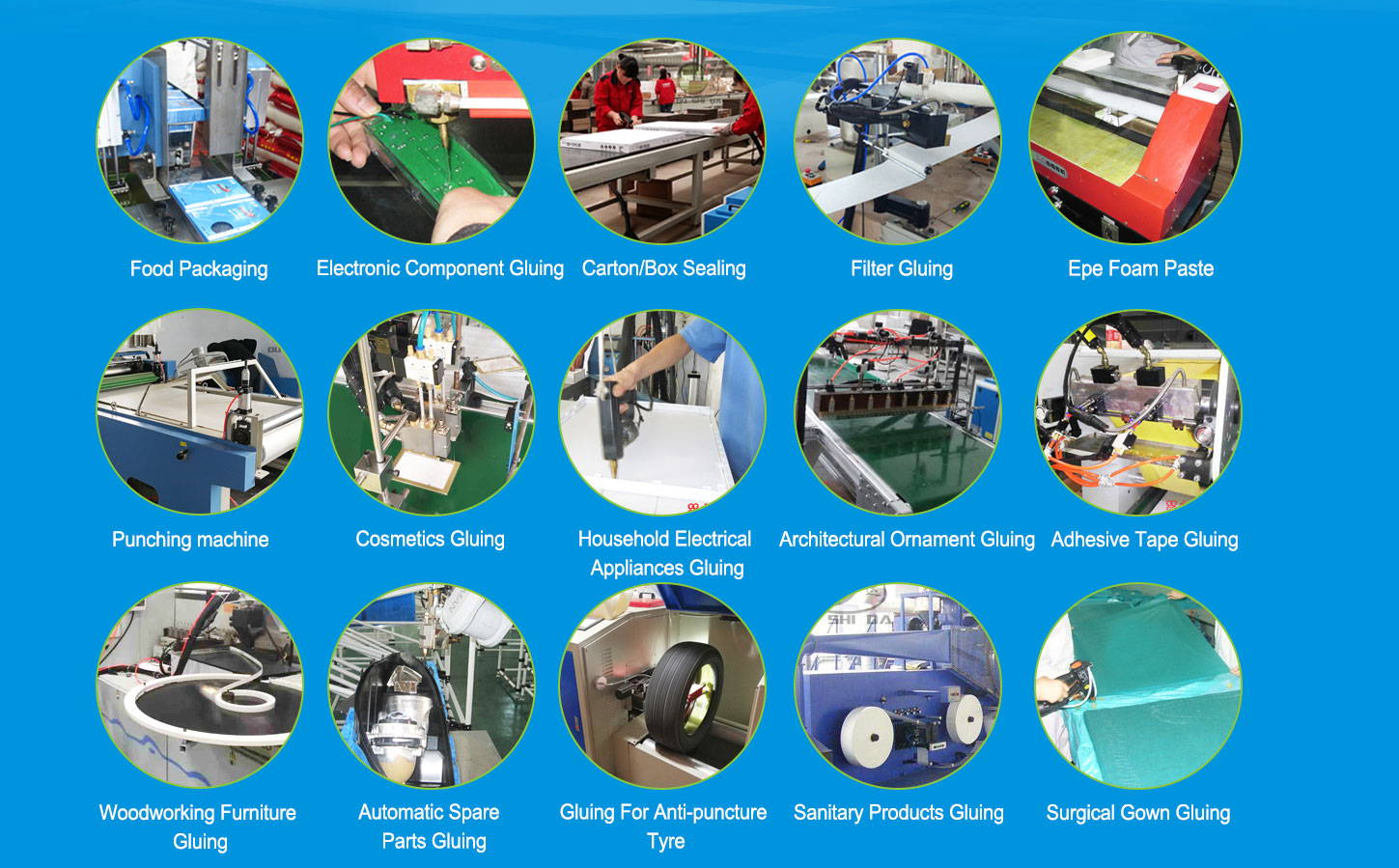
A hot melt adhesive machine is ideal for:
Carton box sealing in packaging lines
Diaper and sanitary product manufacturing
Automotive assembly and sealing
Furniture lamination and bonding
Book binding
In these industries, the speed and strength of hot melt glue machines significantly improve productivity.
Where Cold Glue Machines Still Play a Role
Despite the advantages of hot melt systems, cold glue machines remain relevant in certain scenarios:
Paper labeling processes
Low-speed packaging lines
Applications requiring repositioning before bonding
Heat-sensitive materials
In these cases, the simplicity of cold glue glue spraying equipment can be advantageous.
Why More Industries Are Switching to Hot Melt Systems
The global trend toward automation and efficiency is driving increased adoption of hot melt glue machines.
Key reasons include:
Faster production speeds
Improved bonding consistency
Reduced environmental impact
Lower long-term operational costs
As industries evolve, the hot melt adhesive machine is becoming the preferred solution for modern manufacturing environments.
FAQ: Common Questions from Manufacturers
Q1: Are hot melt glue machines more expensive than cold glue machines?
Initially, yes. However, a hot melt adhesive machine often delivers better long-term value through higher efficiency and reduced waste.
Q2: Can one glue spraying equipment system handle both types of adhesive?
No. Hot melt glue machines and cold glue machines are designed for different adhesive types and cannot be used interchangeably.
Q3: Which system is better for high-speed production?
For high-speed lines, hot melt glue machines are clearly superior due to instant bonding and consistent output.
Q4: Are hot melt adhesive machines environmentally friendly?
Yes. Since they do not rely on solvents, hot melt adhesive machine systems are generally more environmentally friendly than cold glue alternatives.
Q5: How do I choose the right equipment?
The choice depends on your production speed, material type, bonding strength requirements, and environmental conditions. Consulting with experienced glue spraying equipment manufacturers is essential.
A Practical Recommendation for Manufacturers
For companies seeking to upgrade production efficiency, the decision often comes down to scalability and long-term performance.
If your production involves high-speed lines, automated processes, or strict quality standards, investing in advanced hot melt glue machines is a strategic move.
On the other hand, if your operations are low-speed and cost-sensitive, cold glue machines may still meet your needs.
Conclusion
While both hot melt glue machines and cold glue machines serve essential roles in industrial adhesive application, their differences are significant.
The hot melt adhesive machine stands out for its speed, bonding strength, and efficiency, making it the preferred choice for modern manufacturing. Meanwhile, cold glue systems remain relevant for specific applications where simplicity and lower upfront costs are priorities.
As a professional provider of advanced glue spraying equipment, we understand that every production line has unique requirements. Choosing the right system is not just about equipment—it is about optimizing your entire manufacturing process.
Call to Action
China’s hot melt glue machine industry has experienced remarkable growth over the past two decades. From early reliance on imported technology to today’s sophisticated intelligent systems, the sector has become a crucial part of modern manufacturing.
With downstream industries such as packaging, automotive, electronics, and hygiene products continuing to expand, the demand for advanced hot melt adhesive machine equipment will only increase.
Companies like Dongguan Saipu Electromechanical Device Co., Ltd. are helping drive this transformation through continuous innovation, reliable equipment design, and strong technical expertise.
As the industry moves toward greater automation and sustainability, the hot melt glue machine market will remain full of opportunity—offering manufacturers worldwide powerful tools to improve productivity, efficiency, and product quality.