



Complete Guide to Hot Melt Adhesive Equipment Selection 2026: Understand All Categories and Applications from Dispensing to Lamination
2026-07-22 10:41In modern manufacturing, adhesive application is no longer a simple manual process. With increasing requirements for production efficiency, bonding strength, environmental protection, and automation levels, hot melt adhesive equipment has become an essential solution across multiple industries.
However, many manufacturers still face challenges when selecting equipment:
Should they choose a hot melt glue dispenser or a hot melt coating system?
Is a PUR hot melt adhesive machine better than traditional EVA glue equipment?
What type of equipment is suitable for packaging, furniture, automotive, hygiene products, or filtration applications?
How can companies avoid purchasing unsuitable machines that increase costs and reduce production efficiency?
As a professional hot melt adhesive equipment manufacturer, Saipu Electromechanical Device Co., Ltd has accumulated extensive experience in the research, development, manufacturing, and application solutions of hot melt adhesive spraying systems. Based on different production requirements, hot melt adhesive equipment can generally be divided into several categories, including dispensing equipment, spraying equipment, coating systems, and lamination systems.
This article will provide a complete 2026 selection guide to help manufacturers understand different types of hot melt adhesive machines and their real-world applications.
1. What Is Hot Melt Adhesive Equipment?
Hot melt adhesive equipment is an industrial bonding system that melts solid adhesive materials into a liquid state through controlled heating and then applies the adhesive onto different substrates through spraying, coating, dispensing, or extrusion methods.
Compared with traditional liquid glue systems, hot melt adhesive technology offers several advantages:
| Comparison Item | Hot Melt Adhesive System | Traditional Liquid Glue System |
|---|---|---|
| Drying method | Cooling solidification | Water/solvent evaporation |
| Drying speed | Seconds | Minutes or longer |
| Solvent content | Solvent-free | May contain solvents |
| Production efficiency | High-speed continuous operation | Limited by drying time |
| Energy consumption | Lower | Higher |
| Automation compatibility | Excellent | Medium |
According to industry application data, automated hot melt adhesive systems can help manufacturers improve production efficiency by approximately 20%-40%, while reducing adhesive waste by 10%-30% compared with manual gluing processes.
2. Main Types of Hot Melt Adhesive Equipment
Different industries require different adhesive application methods. Choosing the correct machine type directly affects bonding quality, production speed, and operating costs.
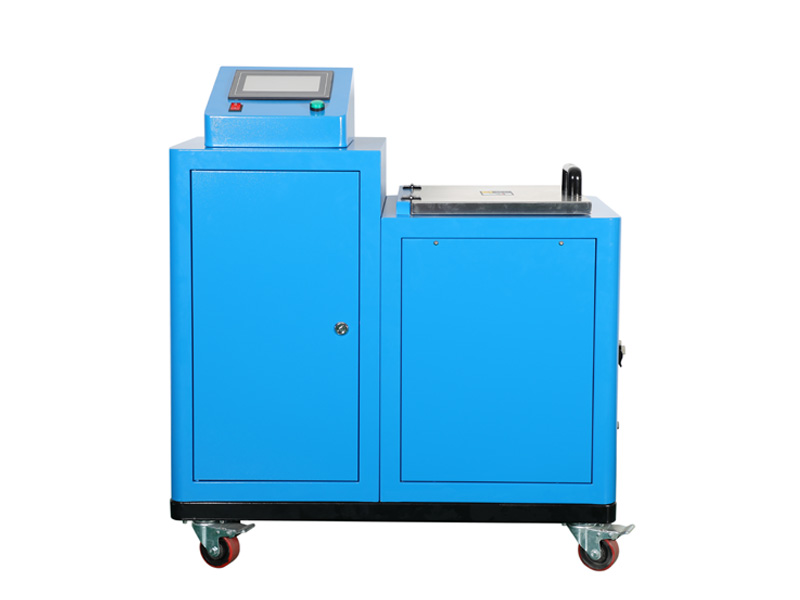
2.1 Hot Melt Glue Dispensing Equipment
Hot melt glue dispensing equipment is mainly designed for accurate adhesive application in specific positions.
The system usually includes:
Glue melting tank
Temperature control system
Gear pump
Glue hose
Dispensing gun/nozzle
Control unit
The biggest advantage is precise glue control.
Typical Applications:
Electronics assembly
Small component bonding
Packaging details
Product assembly
For example, in electronic manufacturing, precise dispensing helps prevent excessive glue overflow and improves product appearance.
A high-quality dispensing system can achieve adhesive accuracy within ±0.1-0.3 mm, meeting the requirements of precision assembly production.
2.2 Hot Melt Spray Equipment
Hot melt spraying equipment applies adhesive through spray nozzles, creating uniform adhesive patterns.
Compared with manual glue application, spraying technology provides:
Faster production speed
More consistent adhesive distribution
Reduced labor dependency
Better material utilization
Common Applications:
Disposable hygiene products
Mattress production
Packaging
Filter manufacturing
Textile bonding
For example, in diaper production lines, spiral spray technology allows adhesive distribution over large areas while maintaining softness and flexibility.
Industrial spray systems can achieve:
Spray width: 50-2000 mm depending on configuration
Production speed: 50-300 meters/minute
Adhesive saving: around 15%-25% compared with manual coating
2.3 Hot Melt Coating Machines
Hot melt coating machines are mainly used for continuous adhesive application on materials such as films, fabrics, and tapes.
The equipment controls:
Coating thickness
Coating width
Adhesive temperature
Application speed
Typical coating accuracy can reach:
| Parameter | Typical Range |
|---|---|
| Coating thickness | 0.02-1.0 mm |
| Working temperature | 120℃-180℃ |
| Production speed | 20-300 m/min |
| Adhesive utilization rate | More than 95% |
Applications include:
Double-sided tape production
Protective film manufacturing
Medical products
Flexible packaging
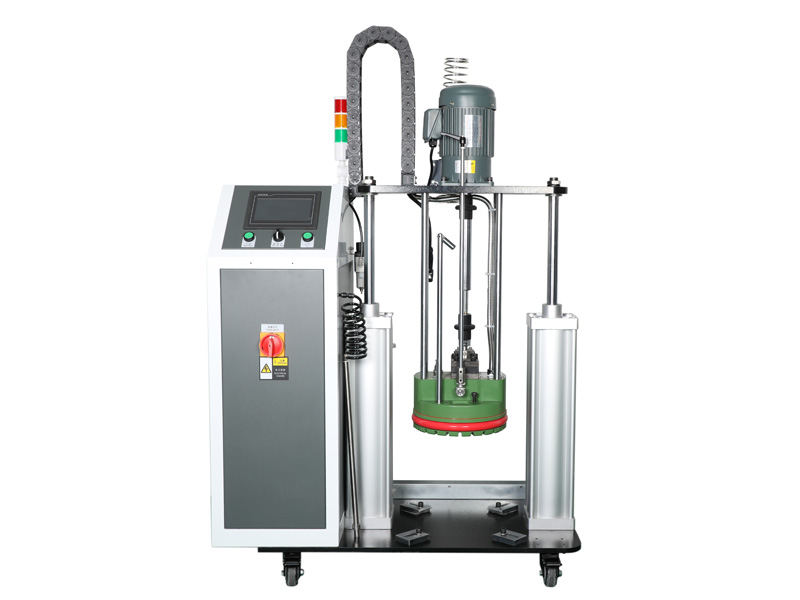
2.4 PUR Hot Melt Adhesive Machines
PUR hot melt adhesive machines are designed for moisture-reactive polyurethane adhesives.
Unlike conventional EVA hot melt adhesives, PUR adhesives create stronger chemical bonding after reacting with moisture in the air.
Advantages include:
Higher bonding strength
Better water resistance
Excellent temperature resistance
Suitable for difficult-to-bond materials
Typical applications:
Automotive interiors
Furniture panels
Outdoor fabrics
Electronic products
PUR bonding strength can be 30%-50% higher than traditional EVA hot melt adhesives in certain applications.
3. Application Analysis of Different Hot Melt Adhesive Equipment
Different industries have different requirements for adhesive technology. Selecting the right equipment is not only related to bonding quality but also directly affects production efficiency and long-term operating costs.
3.1 Packaging Industry: Improving Speed and Reducing Waste
The packaging industry is one of the largest application fields for hot melt adhesive equipment.
Applications include:
Carton sealing
Gift box production
Beverage packaging
Food packaging
Label bonding
Traditional manual gluing often causes:
Uneven adhesive amount
Slow production speed
Higher labor costs
Product contamination
With automated hot melt adhesive systems, packaging manufacturers can achieve:
| Item | Traditional Manual Gluing | Hot Melt Equipment |
|---|---|---|
| Production speed | Low | Increased by 30%-50% |
| Glue consistency | Variable | Stable |
| Labor requirement | High | Reduced |
| Waste rate | 10%-20% | Usually below 5% |
For high-volume carton production, automatic hot melt spraying systems can support continuous operation for thousands of packages per hour.
3.2 Hygiene Products Industry: Ensuring Softness and Reliability
The hygiene industry has extremely strict requirements for adhesive application.
Applications include:
Baby diapers
Adult incontinence products
Sanitary napkins
Medical protective products
The adhesive must provide:
Strong bonding
Flexible structure
No damage to soft materials
Uniform application
Spiral spray technology is widely used because it provides excellent coverage without making products stiff.
Typical production parameters:
| Application | Requirement |
|---|---|
| Adhesive type | EVA / PUR hot melt |
| Spray pattern | Spiral / slot coating |
| Temperature | 130℃-180℃ |
| Production speed | 100-400 pcs/min |
3.3 Furniture Industry: Improving Panel Bonding Quality
Furniture manufacturers use hot melt adhesive systems for:
Edge bonding
Profile wrapping
Panel lamination
Decorative material bonding
Compared with traditional glue methods, hot melt technology provides:
Faster curing
Cleaner production environment
Higher automation compatibility
Especially for PUR hot melt applications, manufacturers can achieve stronger bonding for:
Wood panels
PVC films
Decorative surfaces
Many furniture factories report that automated hot melt adhesive systems can reduce manual labor requirements by approximately 30%-40%.
3.4 Automotive Industry: Meeting High Reliability Requirements
Automotive production requires adhesives that can withstand:
Temperature changes
Vibration
Humidity
Long-term usage
Hot melt adhesive equipment is widely used in:
Interior trim bonding
Door panel assembly
Car lamp sealing
Sound insulation materials
Filter components
Typical requirements:
| Item | Automotive Requirement |
|---|---|
| Bonding strength | High |
| Temperature resistance | -40℃ to 120℃ |
| Application accuracy | High precision |
| Production mode | Automated |
PUR hot melt adhesive machines are becoming increasingly popular because they provide excellent durability and waterproof performance.