


Pioneering Sustainable Mobility: How Saipu's Bio-Based Hot Melt Adhesive Equipment is Reshaping Automotive Interior Manufacturing
2026-01-21 10:29In the sprawling, high-precision world of automotive manufacturing, where the smell of leather, plastic, and industrial cleaners hangs in the air, a quiet revolution is bonding the interiors of tomorrow's vehicles. Deep within the assembly process—where dashboards meet pillars, headliners are secured, and door panels are meticulously assembled—lies a critical yet often overlooked component: the adhesive. For decades, this foundational process has relied on petroleum-based chemistries. Today, driven by stringent global decarbonization mandates and conscious consumer demand, the industry is pivoting. Leading this transformative charge is Dongguan Saipu Electromechanical Device Co., Ltd., with its groundbreaking bio-based hot melt adhesive equipment, engineered to slash the carbon footprint of automotive interior bonding by a staggering 40%.
The Imperative for Green Bonding in Auto Manufacturing
The automotive sector is under immense pressure to reinvent itself. With lifecycle analysis scrutinizing every component, from lithium-ion batteries to carpet fibers, interior manufacturing presents a significant opportunity for emission reduction. Traditional hot melt glue equipment , while efficient, depends on fossil fuel-derived polymers. The production and application of these adhesives contribute substantially to a vehicle's embedded carbon. Simultaneously, OEMs (Original Equipment Manufacturers) face tightening regulations like the European Union’s Carbon Border Adjustment Mechanism (CBAM) and ambitious corporate net-zero pledges. The challenge is monumental: find low-carbon manufacturing solutions that do not compromise on the rigorous performance standards required for automotive interiors—standards of durability, temperature resistance, VOC (Volatile Organic Compound) emissions, and bond strength under stress.
Enter Saipu, a company whose name has become synonymous with innovation and reliability in adhesive application technology. With a history of tailoring hot melt glue machine solutions for sectors ranging from medical devices to high-end packaging, Saipu has leveraged its cross-industry expertise to address the auto industry's most pressing dilemma. Their answer is not a mere modification but a re-engineering of both chemistry and application—a fully integrated system designed for the bio-based adhesive revolution.
Saipu Electromechanical: A Heritage of Precision, A Future of Innovation
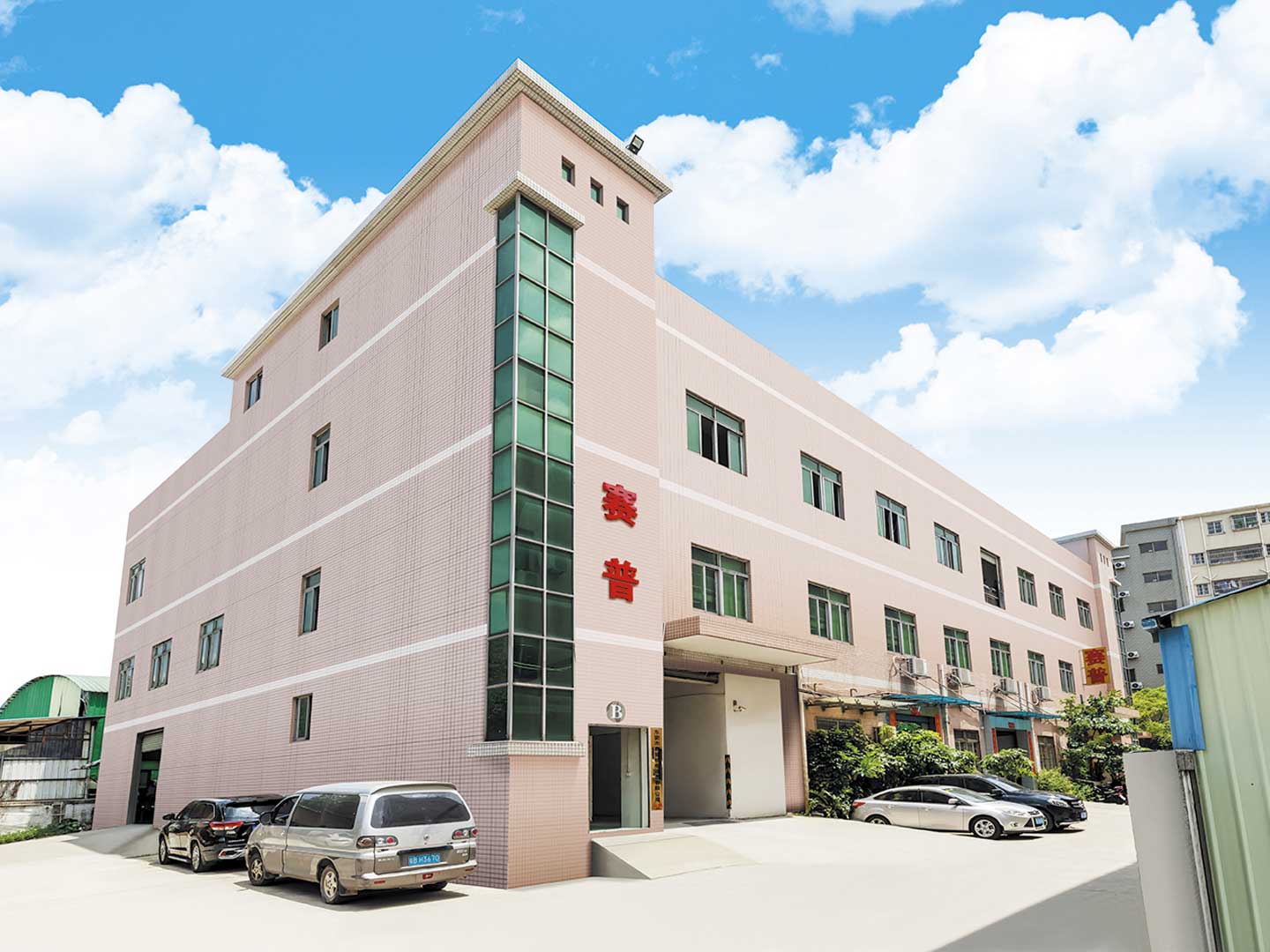
Dongguan Saipu Electromechanical Device Co., Ltd. operates on a philosophy where "Pursuing high-quality and perfection" meets the "spirit of integrity." This is not corporate jargon but a lived principle evident in their global clientele across packaging, electronics, furniture, and medical fields. Their success stems from a deep mastery of the mechanics of adhesion—understanding the precise interplay between temperature control, viscosity, spray patterns, and substrate compatibility. This expertise, honed over years of developing specialized hot melt glue equipment , provided the perfect foundation for a more ambitious project: creating the industry's most efficient and reliable platform for next-generation, sustainable adhesives. The company’s investment in a robust R&D team, comprising seasoned technical experts, has been pivotal in translating the unique properties of bio-based adhesives into a robust, production-ready low-carbon manufacturing solution .
Decoding the Innovation: Saipu's Bio-Based Adhesive Spraying System
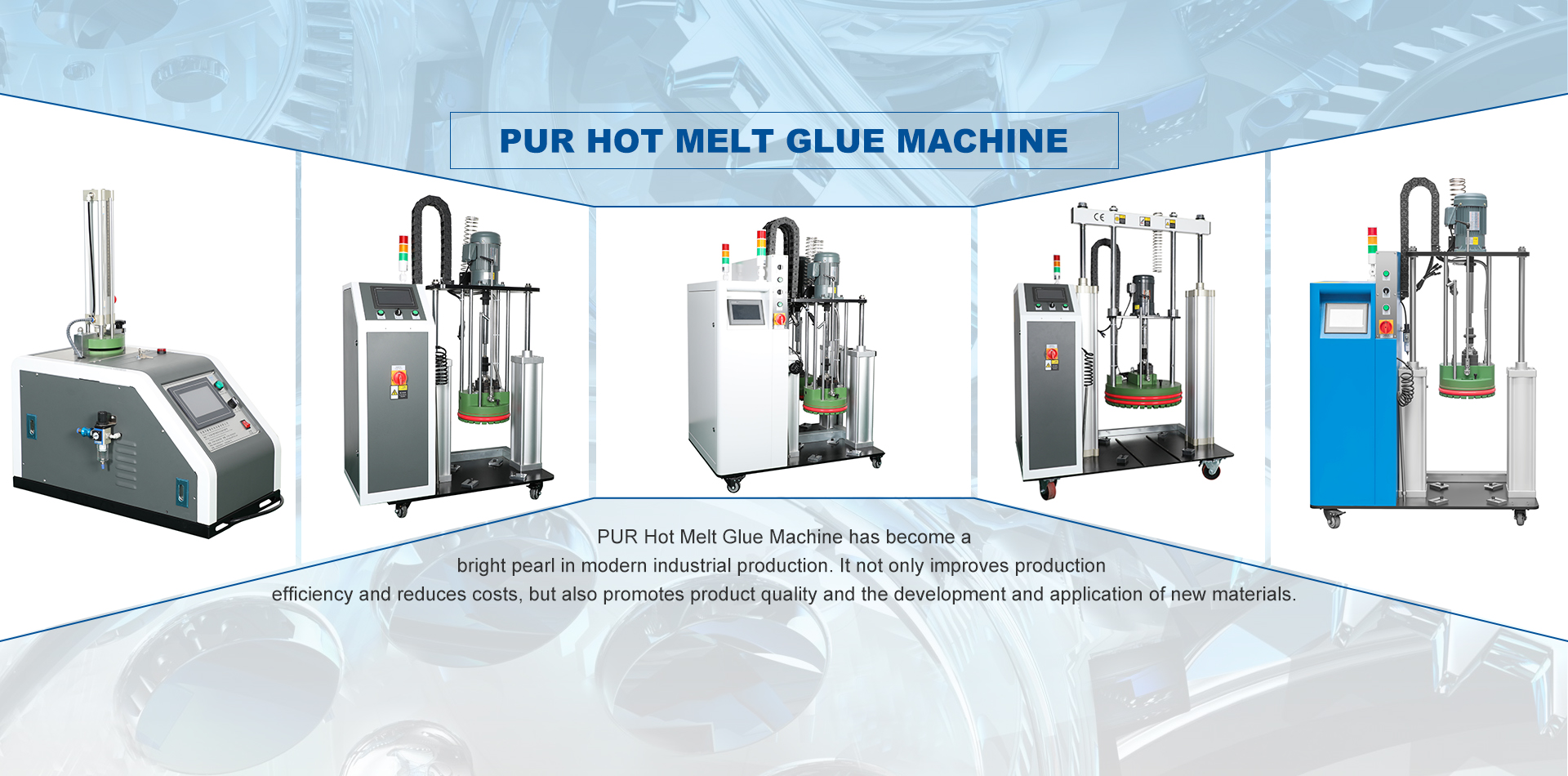
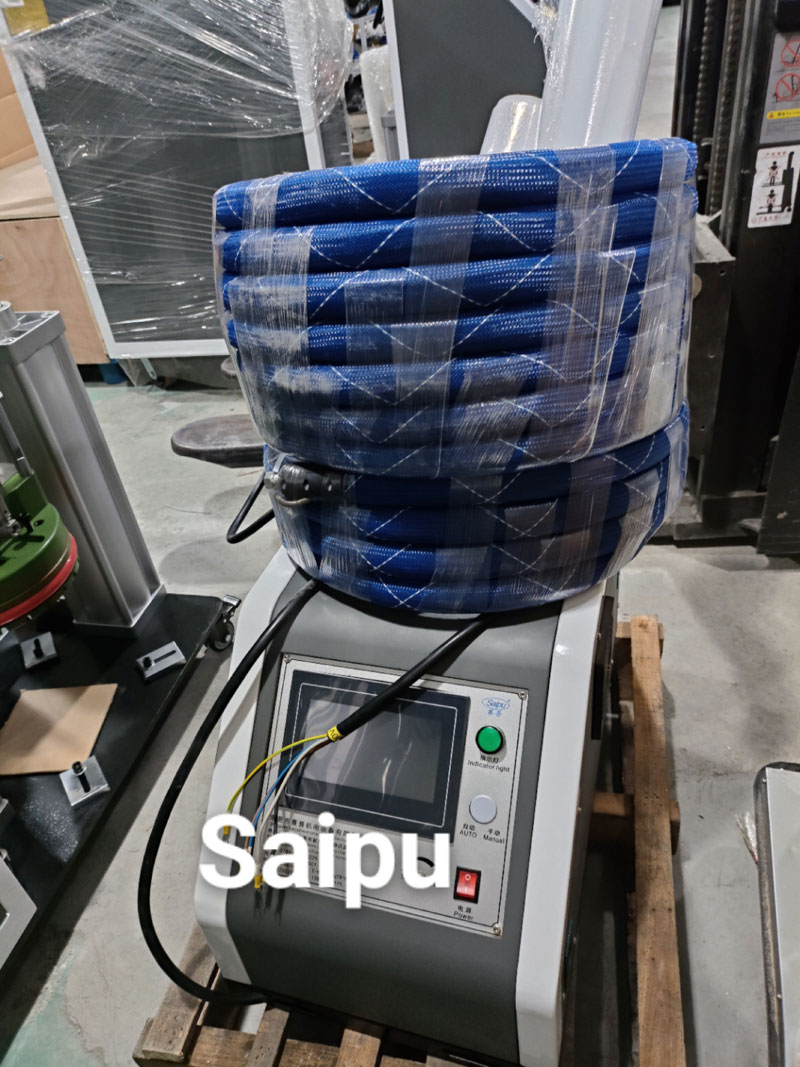
What makes Saipu's bio-based hot melt adhesive equipment a game-changer? It is a holistic system built from the ground up to handle the distinct characteristics of adhesives derived from renewable resources like plant-based resins, natural rubbers, and bio-polyolefins.
Advanced Thermal Management Core: Bio-based adhesives often have different melting profiles and thermal stability windows than their synthetic counterparts. Saipu's system features a proprietary, precisely calibrated thermal management system. It ensures even, consistent heating throughout the adhesive reservoir and hose systems, preventing thermal degradation—which can compromise bond strength and increase waste—while achieving the optimal viscosity for a flawless spray pattern. This level of control is critical for consistent performance in automotive interior bonding , where every joint must withstand years of thermal cycling from freezing winters to scorching summer sun.
Precision Application & Adaptive Control: The equipment goes beyond mere melting and spraying. It incorporates intelligent sensors and adaptive control units that monitor real-time application parameters. Whether it’s applying a fine mist for lightweight fabric headliners or a robust bead for structural plastic panel assembly, the system auto-adjusts pressure and flow rate. This precision ensures maximum material efficiency, a key factor in achieving both cost savings and the stated 40% reduction in carbon footprint. It eliminates over-application and rework, making the entire automotive interior bonding process leaner and greener.
Durability & Integration Ready: Built with the relentless pace of an automotive production line in mind, Saipu's hot melt glue machine is engineered for 24/7 operation. It features quick-connect interfaces for fast adhesive cartridge changes and seamless integration with existing robotic arms and conveyor systems. This minimizes downtime and allows manufacturers to retrofit their lines for sustainability without overhauling their entire production workflow—a vital consideration for implementing practical low-carbon manufacturing solutions .
The Tangible Impact: Data-Driven Sustainability
The adoption of Saipu's system translates into measurable environmental and economic benefits. The following table quantifies the paradigm shift from conventional to bio-based adhesive application in a typical mid-volume automotive interior production line.
Automotive Interior Bonding: Conventional vs. Saipu Bio-Based System Analysis
| Performance & Sustainability Parameter | Conventional Petroleum-Based System | Saipu Bio-Based Adhesive System | Improvement / Impact |
| Carbon Footprint (kg CO2e per vehicle interior) | 12.5 kg | 7.5 kg | 40% Reduction |
| Adhesive Material Utilization Rate | 88% | 96% | ~9% Less Material Waste |
| VOC Emissions During Application | High | Very Low to Negligible | Improved Indoor Air Quality, Regulatory Compliance |
| Energy Consumption of Application Equipment | Standard | 15% Lower (Optimized Thermal Management) | Direct Operational Cost Saving |
| Bond Strength & Durability (Industry Tests) | Meets Spec | Exceeds Spec (Enhanced Substrate Compatibility) | Equal or Superior Product Quality |
| Compatibility with Recyclability Goals | Low (Contaminates recycling streams) | High (Facilitates end-of-life disassembly & recycling) | Enables Circular Economy Design |
| Return on Investment (ROI) Timeline | N/A (Baseline) | 18-24 months (via material savings, carbon credits, efficiency) | Strong Financial & ESG Case |
Beyond Carbon: The Ripple Effect of Sustainable Bonding
The benefits of integrating this bio-based hot melt adhesive equipment extend far beyond a single carbon metric. For automotive OEMs and Tier-1 suppliers, it represents a multi-faceted strategic advantage:
Regulatory Future-Proofing: It directly addresses upcoming carbon tariffs and sustainability reporting requirements, shielding businesses from future compliance costs and potential penalties.
Brand Value & Consumer Appeal: In an era where consumers are increasingly making choices based on environmental impact, "green interiors" become a powerful marketing tool and a point of differentiation.
Supply Chain Resilience: By diversifying adhesive sources from fossil fuels to annually renewable biomass, manufacturers reduce their exposure to the volatility of the petrochemical market.
Worker Health & Safety: The significant reduction in VOC emissions creates a healthier working environment on the production floor, aligning with enhanced corporate social responsibility (CSR) goals.
From Niche to Norm: Adoption in the Global Supply Chain
Saipu's technology is already moving from validation labs to production floors. Several forward-thinking automotive suppliers in Europe and Asia, serving both electric vehicle (EV) pioneers and established luxury brands, have integrated these systems. Their feedback highlights a critical insight: sustainability and performance are no longer a trade-off. The precision of Saipu's hot melt glue equipment ensures that the bio-based adhesives perform reliably under the most demanding conditions, gaining the trust of even the most quality-conservative engineering teams. This adoption signals a tipping point where low-carbon manufacturing solutions become the default specification for next-generation vehicles.
Frequently Asked Questions (FAQ)
Q1: Are bio-based hot melt adhesives strong enough for critical automotive interior parts like door panels or dashboards?
A: Absolutely. Modern bio-based formulations have undergone rigorous development to meet and often exceed automotive OEM specifications for peel strength, shear strength, and temperature resistance (from -40°C to 90°C+). Saipu's equipment is precisely calibrated to unlock the full performance potential of these advanced adhesives, ensuring bonds that last the lifetime of the vehicle.
Q2: How does the system handle different types of bio-based adhesives, which can vary in formulation?
A: Saipu's bio-based hot melt adhesive equipment is designed with exceptional versatility. Our proprietary control system can store multiple application profiles. With simple input adjustments for a new adhesive type, the system automatically optimizes temperature, pressure, and flow rate. Our technical team works closely with clients and adhesive chemists to create and validate the perfect profile for each material.
Q3: Is the 40% carbon footprint reduction only from the adhesive itself, or does the equipment contribute?
A: The 40% figure is a holistic lifecycle assessment (LCA) covering the "cradle-to-gate" impact of the adhesive and its application. It includes the significantly lower embedded carbon in the bio-based raw materials and the increased application efficiency (less waste) and lower energy consumption enabled by Saipu's optimized hot melt glue machine .
Q4: Can we retrofit our existing production lines with this technology, or do we need a completely new setup?
A: Retrofitting is a core strength of our design philosophy. Saipu's systems are built as modular units with standard industrial interfaces. Our engineers can design integration kits to connect our hot melt glue equipment to your existing robotic applicators, conveyors, and control networks, minimizing disruption and capital expenditure.
Q5: What about the total cost of ownership? Are bio-based adhesives and this specialized equipment more expensive?
A: While the per-kilogram cost of some premium bio-based adhesives can be higher, the total cost of ownership is highly competitive. Factors like drastically reduced material waste (higher utilization rate), potential savings from carbon credit programs, lower energy consumption by the machine, and avoidance of future carbon taxes all contribute to a compelling ROI, typically within two years of operation.
Q6: How does Saipu support the transition and ongoing operation?
A: Our "Customer First" service objective is action, not just words. We provide comprehensive support: initial adhesive formulation consultation, on-site installation and integration, thorough operator training, and a responsive global after-sales service network with guaranteed spare parts availability. We partner with you for a successful and sustainable transition.
A Call to Action: Bond Your Future to Sustainability
The journey to a net-zero automotive future is being assembled piece by piece, bond by bond. The interior of a vehicle is no longer just about aesthetics and comfort; it's a statement of environmental responsibility. By choosing Saipu's bio-based hot melt adhesive equipment , you are not merely purchasing a hot melt glue machine ; you are investing in a proven, high-performance low-carbon manufacturing solution that delivers immediate ESG (Environmental, Social, and Governance) impact and long-term economic value.
Do not let your adhesive process be the weak link in your sustainability chain. Contact Dongguan Saipu Electromechanical Device Co., Ltd. today. Let our experts conduct a free, no-obligation analysis of your current automotive interior bonding process and demonstrate the clear pathway to reducing your carbon footprint, enhancing your brand, and future-proofing your manufacturing operations.
Conclusion: Setting a New Standard for Intelligent, Responsible Manufacturing
Dongguan Saipu Electromechanical Device Co., Ltd. has done more than create a new piece of hot melt glue equipment . They have engineered a critical enabler for the sustainable transformation of a global industry. By seamlessly bridging the gap between innovative bio-based chemistry and industrial-grade application reliability, their bio-based hot melt adhesive equipment stands as a testament to what is possible when technical excellence is directed toward a pressing planetary need. In the competitive landscape of automotive manufacturing, where every gram of CO2 and every unit of efficiency counts, this technology is no longer just an alternative—it is rapidly becoming the new benchmark for automotive interior bonding . Saipu is not just keeping pace with the evolution of mobility; it is actively bonding the path forward.